Professional Horse Training Equipment Guide for Serious Riders
Essential Groundwork and Lunging Equipment
When you watch a professional trainer work with a young horse, the difference in their equipment becomes obvious within minutes. While casual riders often make do with whatever’s hanging in the barn, serious trainers understand that quality groundwork equipment creates the foundation for everything that happens under saddle. The right tools don’t just make training easier — they make it safer, more effective, and ultimately build better communication between horse and handler.
Professional horse training equipment represents an investment in your horse’s development and your own skill progression. Every piece serves a specific purpose in building trust, establishing boundaries, and developing the subtle communication that separates good riders from great ones. In Ridgecrest’s training community, where horses face diverse challenges from desert terrain to varied weather conditions, having reliable equipment becomes even more critical.
Selecting the Right Lunge Lines and Longe Whips
The lunge line serves as your primary communication tool during groundwork, and cheap cotton versions simply don’t cut it for serious training. Professional-grade lunge lines measure 25 to 30 feet and feature either soft webbing or yacht rope construction. Webbing provides better grip in wet conditions (crucial during Ridgecrest’s occasional rain), while rope lines offer superior longevity and consistent feel.
Quality matters more than you might expect. A good lunge line maintains consistent weight distribution, preventing the annoying twist that plagues cheaper alternatives. Professional trainers often prefer lines with a slight weight to them — this creates natural communication through the line’s movement and helps maintain contact even when the horse moves away.
Longe whips require equal consideration. The standard 6-foot whip works for most horses, but taller horses or those requiring more respect might benefit from an 8-foot version. The whip should balance well in your hand without creating fatigue during extended sessions. Many professionals choose whips with replaceable lashes, as these components wear out faster than the shaft.
Cavessons vs. Halters: When to Use Each
This choice often separates casual handlers from serious trainers. Regular halters work fine for basic leading and tying, but lungeing and advanced groundwork require different pressure points and communication channels.
Cavesson designs distribute pressure across the horse’s nose rather than concentrating it behind the ears like halters do. This creates clearer communication and reduces the risk of the horse learning to pull against pressure. Professional cavessons feature adjustable nosebands and often include rings positioned for specific training applications.
For therapeutic work, as highlighted in our youth programs, the gentler pressure distribution of cavessons becomes especially important when working with sensitive horses or building confidence in nervous animals.
Halters remain useful for everyday handling, but serious groundwork benefits from the precision that quality cavessons provide. Some trainers keep both options available, switching based on the specific exercise and the horse’s current training level.
Side Reins and Training Aids for Balance Development
Side reins represent one of the most misunderstood pieces of horse training equipment. Used correctly, they teach horses to seek contact and develop balance. Used poorly, they create tension and resistance that can take months to undo.
Quality side reins feature elastic inserts or rubber rings that provide give while maintaining contact. Fixed leather versions work for advanced horses, but most benefit from the flexibility that elastic components provide. The attachment points matter significantly — side reins should connect to the bit rings and either a surcingle or saddle girth.
Proper adjustment requires understanding your horse’s current development. Side reins should encourage the horse to reach forward and down, not force a particular head position. Many trainers start with longer settings and gradually adjust as the horse develops strength and understanding.
Training aids like draw reins or chambons serve specific purposes but require experienced hands. These tools can accelerate development when used correctly, but they can also create problems when applied without proper timing or understanding.
Ground Driving Equipment and Long Line Training
Ground driving equipment opens up advanced training possibilities that single-line lungeing simply cannot achieve. Long lines, typically 25 to 30 feet each, allow you to simulate riding aids while maintaining the safety of ground work.
Professional long lines require specific characteristics: they must run freely through rings without catching, maintain consistent feel across their length, and resist tangling during complex maneuvers. Many trainers prefer cotton web lines for their grip and flexibility, though synthetic alternatives offer superior durability in harsh conditions.
Surcingles designed for ground driving feature multiple rings positioned to create appropriate angles for the long lines. The ring placement affects how the horse receives the aids, making proper surcingle selection crucial for effective training. When preparing horses, ground driving provides invaluable preparation for under-saddle work.
Quality ground driving equipment transforms your ability to develop advanced behaviors before ever putting weight in the saddle. This approach creates more confident, better-trained horses while reducing the physical demands on both horse and rider during the initial stages of training.
Saddle and Tack Systems for Advanced Training
Training Saddles: Features That Matter for Serious Work
Your training saddle becomes the foundation of every successful session, and the wrong choice creates more problems than it solves. Professional trainers understand that training saddles need different features than show saddles—deeper seats for security during challenging movements, shorter flaps for better leg contact, and adjustable stirrup bars for quick position changes.
The sweet spot for training saddles lies in finding the balance between rider security and horse comfort. A well-fitted training saddle allows your horse to move freely through their back while giving you the stability needed for advanced work. Many professional facilities (including those offering specialized training programs) recommend saddles with adjustable gullet systems, allowing you to maintain proper fit as horses develop muscle through training.
Quality training saddles feature reinforced knee and thigh blocks positioned to support your leg during collection work. The seat should place you in a balanced position without forcing an artificial posture—remember, your horse feels every shift in your weight. Synthetic materials often work better for daily training sessions because they’re easier to clean and maintain consistent grip in various weather conditions.
Bridle and Bit Selection for Different Training Phases
Bit progression follows a logical path from simple to complex, but too many riders rush this process. Your horse’s mouth tells the story of their training level, and forcing advanced equipment on unprepared horses creates resistance that takes months to undo. Start with a simple snaffle and only progress when your horse responds consistently to light contact.
Professional training requires having multiple bridle options available because different exercises demand different communication methods. A basic snaffle works perfectly for establishing forward movement and basic steering, while a pelham might be necessary for teaching collection in later training phases. The key lies in understanding that bits amplify your hands—poor hands will create problems regardless of equipment choice.
Bridle fit affects everything from bit action to poll pressure. The noseband should allow two fingers’ width at the nasal bone, while the browband needs enough clearance to prevent pinching behind the ears. Many training facilities maintain several bridle sizes to accommodate horses at different development stages, ensuring proper fit throughout the training process.
Protective Boots and Bandages for Training Sessions
Professional horse training equipment isn’t complete without proper leg protection, especially during intensive schooling sessions. Horses learning new movements often interfere with their own legs, and protection prevents minor bumps from becoming major setbacks. Bell boots protect the coronet band and heels, while splint boots guard the cannon bones during lateral work.
Polo wraps offer adjustable support and compression, making them ideal for horses returning to work or those with minor soundness concerns. However, they require proper application technique—too tight restricts circulation, too loose creates dangerous bunching. Many trainers prefer protective boots with quick-release systems for daily use because they’re faster to apply and remove consistently.
The choice between boots and bandages often comes down to the specific training activity. Dressage work typically uses minimal protection to maintain clean lines, while jumping sessions require comprehensive coverage. Experienced training professionals match protection levels to both the horse’s needs and the day’s planned activities.
Martingales and Training Attachments: Purpose and Proper Use
Training attachments serve specific purposes in developing proper carriage and response, but they’re tools that require understanding to use effectively. A properly adjusted standing martingale prevents evasion without restricting normal head movement, while running martingales help establish consistent contact with horses that tend to throw their heads.
The key principle with any training attachment is that it should encourage correct movement rather than force it. Side reins help horses develop steady contact and balance during longe work, but incorrect adjustment creates hollow, tense movement that works against training goals. These tools should feel like gentle guides, not restrictive barriers.
Most professional training programs introduce attachments gradually and remove them as soon as the horse demonstrates understanding. The goal remains developing horses that work correctly from their own balance and understanding, not from mechanical assistance. Training attachments become stepping stones in the education process, not permanent solutions to training challenges.
Arena Setup and Obstacle Training Equipment
Ground Poles and Cavaletti for Rhythm and Balance
Ground poles serve as the foundation for developing your horse’s rhythm, balance, and coordination. These simple yet effective tools help horses learn to regulate their stride length while building muscle memory for consistent movement patterns. Professional trainers often start with basic ground pole exercises before progressing to more complex training challenges.
Cavaletti poles, which are adjustable in height, offer more versatility than fixed ground poles. The ability to raise poles between 6 and 18 inches creates progressive training opportunities that challenge both horse and rider. When positioned correctly, these tools encourage horses to lift their legs higher, engage their core muscles, and develop better proprioception.
Setting up effective pole exercises requires understanding spacing fundamentals. For walking exercises, poles should be placed approximately 3 feet apart, while trotting patterns typically require 4.5 to 5 feet between poles. The key lies in observing your horse’s natural stride and adjusting distances accordingly rather than following rigid measurements.
Quality matters significantly when selecting ground poles. Heavy wooden poles stay in position better than lightweight alternatives, while synthetic materials offer durability without the maintenance requirements of wood. Professional facilities in Ridgecrest often invest in adjustable cavaletti systems that accommodate multiple training levels within the same setup.
Jump Standards and Training Fences
Jump standards form the backbone of any serious jumping program, supporting everything from basic cross rails to advanced oxers. Modern standards feature multiple pin holes that allow for precise height adjustments, typically ranging from 6 inches to over 5 feet. The stability of these standards directly impacts both safety and training effectiveness.
Training fences should progress logically from simple to complex configurations. Cross rails help horses understand the concept of jumping while providing a natural focal point. As confidence builds, vertical fences develop precision and timing, while oxers teach horses to use their bodies more efficiently through wider spreads.
Professional horse gear includes specialized training aids like placing poles, which position 9 to 12 feet in front of jumps to encourage proper takeoff points. These tools help horses develop consistent striding without creating dependency on artificial aids. Many experienced trainers emphasize that proper placement pole usage can significantly reduce training time while building confidence.
Investing in quality jump standards means choosing materials that withstand weather exposure and repeated use. Powder-coated steel offers excellent durability, while some facilities prefer wooden standards for their traditional appearance. The choice often depends on whether equipment will remain outdoors year-round or be stored between sessions.
Cones, Markers, and Pattern Training Tools
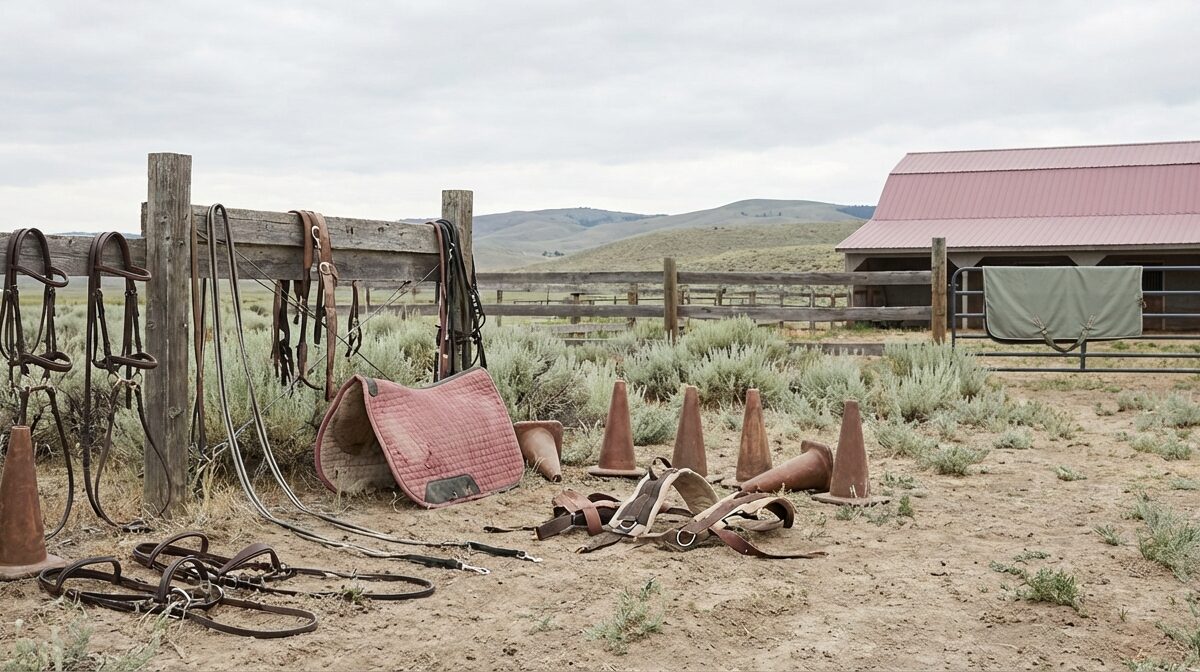
Precision training requires clear visual markers that help both horse and rider understand exact positioning requirements. Traffic cones serve multiple purposes, from marking turning points in pattern work to creating boundaries for lateral exercises. Their bright colors provide unmistakable reference points that horses quickly learn to recognize and respect.
Pattern training becomes more effective when using varied markers that create distinct visual cues. Combining cones with ground poles or small flags helps horses differentiate between similar exercises. This approach prevents confusion and maintains mental engagement during repetitive training sessions.
Professional facilities often use weighted markers that remain stable in wind while being easily repositioned. The ability to quickly modify patterns keeps training sessions dynamic and prevents horses from anticipating movements. This flexibility proves especially valuable when working with multiple horses that require different spacing or difficulty levels.
Letter markers, commonly used in dressage training, provide standardized reference points for precise movement execution. Even western or general riding programs benefit from incorporating these markers when teaching concepts like collection, extension, or lateral work. The consistency they provide helps riders develop better spatial awareness.
Portable Arena Equipment for Versatile Training
Portable equipment maximizes training opportunities by allowing quick setup modifications based on daily objectives. Rolling jump standards, collapsible cavaletti, and modular fencing systems enable trainers to create custom configurations without permanent installations. This flexibility proves particularly valuable for facilities that host multiple disciplines.
Storage considerations become crucial when selecting portable equipment. Items that stack efficiently or fold flat minimize storage space requirements while remaining easily accessible. Many professional operations prioritize equipment that one person can safely move and set up without assistance.
Weather resistance affects the longevity of portable equipment significantly. Materials that withstand moisture, temperature fluctuations, and UV exposure require less maintenance and replacement. Investing in quality portable systems often proves more economical than repeatedly replacing cheaper alternatives that deteriorate quickly.
Transportation features like built-in wheels or carrying handles enhance equipment utility. Trainers who travel to different locations for lessons or clinics particularly value equipment that moves easily between venues. For those interested in expanding their horse riding experience, portable equipment offers opportunities to train in various environments while maintaining consistency in tools and methods.
Specialized Equipment for Discipline-Specific Training
Dressage Training Tools and Arena Letters
Dressage training demands precision that begins with proper arena setup and specialized equipment. Standard dressage arena letters must be positioned at exact measurements—20 meters by 40 meters for small arenas, 20 meters by 60 meters for full competition size. These aren’t just markers; they create the foundation for consistent training patterns that horses recognize and respond to instinctively.
Professional dressage whips range from 43 to 47 inches in length, designed to provide subtle aids without disrupting your seat. The weight distribution matters significantly—a balanced whip becomes an extension of your arm rather than a burden. Quality dressage whips feature flexible fiberglass cores wrapped in leather or synthetic materials that maintain consistent flex through years of use.
Cavessons specifically designed for dressage work differ dramatically from general training equipment. The dropped noseband sits precisely two fingers above the nostrils, creating the correct pressure points for collection without restricting breathing. Many professional trainers in areas like horse riding emphasize that proper cavesson fit determines whether a horse develops correct head carriage or defensive behaviors.
Ground poles for dressage training require specific spacing—typically 4.5 to 5 feet apart for walk work, adjusting based on your horse’s natural stride length. Raised cavaletti poles, set at 6 to 12 inches high, encourage proper hock engagement and strengthen the horse’s topline through systematic exercises that build muscle memory.
Western Training Equipment: Reining and Cutting Gear
Western disciplines require equipment that handles intense athletic demands while maintaining precise communication between horse and rider. Professional reining requires specialized spurs with shanks ranging from 1.5 to 3 inches, designed to provide lateral cues without gouging. The rowel design—typically 10 to 12 points—creates consistent pressure that horses can interpret clearly during sliding stops and spins.
Cutting saddles feature forward-hung stirrups and deep seats that allow riders to stay centered during sudden directional changes. The horn placement sits slightly forward compared to ranch saddles, providing a secure anchor point without interfering with rein work. Professional cutting trainers often prefer saddles with minimal skirt length to avoid catching on cattle during close work.
Mechanical hackamores designed for reining work operate differently than trail versions. The shanks typically measure 7 to 8.5 inches, creating leverage ratios that reward light hands while providing adequate stopping power for horses traveling at speed. The noseband positioning—approximately two fingers below the facial crest—ensures effective communication without creating pressure points that cause head tossing.
Training flags used in desensitization work come in various materials, from plastic bags to fabric panels. Professional trainers often start with quiet materials before progressing to noisier options. Flag poles should measure 4 to 6 feet in length, allowing trainers to maintain safe distances while introducing new stimuli. Many facilities offering comprehensive services invest in complete flag training sets that progress systematically through different textures and sounds.
Jumping and Eventing Specialized Equipment
Show jumping requires equipment that prioritizes safety while encouraging forward movement and proper form. Professional jump cups must meet competition standards—typically featuring spring-loaded mechanisms that release under pressure while maintaining stability during normal use. Cup depth should accommodate standard rails without allowing them to roll forward during takeoff.
Eventing cross-country equipment includes specialized studs that provide traction on varied terrain. Professional riders maintain stud kits with options ranging from 6mm road studs for firm ground to 12mm pointed studs for deep conditions. The threading must match your horse’s shoes precisely—most competition shoes use either 6mm or 8mm threads.
Protective boots for jumping disciplines serve dual purposes: impact protection and support during athletic efforts. Professional front boots feature reinforced strike zones and fetlock protection, while hind boots emphasize heel bulb protection during tight turns. Quality boots maintain their shape through repeated washing and don’t retain moisture that could cause skin irritation.
Breastplates designed for jumping feature five-point attachment systems that distribute pressure evenly across the horse’s chest. The center ring should sit level with the point of shoulder, while side attachments connect to the saddle’s D-rings without restricting shoulder movement. Professional versions include martingale attachments that provide additional control without creating interference during jumping efforts.
Trail Training and Desensitization Tools
Trail training equipment focuses on building confidence through systematic exposure to various stimuli. Professional desensitization kits include tarps in multiple sizes—typically 6×8 feet for ground work progressing to 12×16 feet for mounted exercises. The material weight matters; lightweight tarps create more movement and sound, while heavier versions provide different sensory experiences.
Pool noodles serve multiple training purposes, from creating obstacles to testing lateral flexibility. Professional trainers prefer 60-inch lengths that can be cut to specific sizes. The foam density affects how the noodles bend and recover, with firmer versions maintaining shape better during repeated use.
Bridge training equipment ranges from simple ground poles to elaborate obstacle courses. Professional setups include adjustable-height bridges, water boxes with removable liners, and mailbox obstacles that test specific trail challenges. These tools build confidence systematically, preparing horses for real-world trail encounters through controlled exposure.
Safety Equipment and Protective Gear
Rider Safety Gear for Training Sessions
Every professional training session starts with proper rider protection, and your helmet sets the foundation for everything else. Modern ASTM-SEI certified helmets provide impact protection while maintaining ventilation during extended training sessions. The lightweight designs available today won’t cause neck strain during those long groundwork sessions that build trust between horse and rider.
Body protectors become essential when working with young or unpredictable horses. Level 3 protection meets international safety standards without restricting movement during advanced maneuvers. Professional trainers often choose flexible spine protectors that allow natural positioning while maintaining protection during falls or unexpected behaviors.
Quality riding boots with safety features make a significant difference in training effectiveness. Steel-toed options protect against stepping incidents, while proper heel design prevents feet from slipping through stirrups. The grip patterns on professional soles provide stability during ground exercises and mounting procedures.
Safety stirrups with breakaway mechanisms or magnetic release systems prevent dangerous dragging scenarios. These advanced designs maintain normal riding feel while automatically releasing under excessive pressure. Many trainers working in horse riding facilities emphasize how these safety features build confidence during challenging training phases.
Horse Protection: Blankets, Boots, and Helmets
Professional leg protection starts with understanding each horse’s specific needs and training intensity. Bell boots prevent overreach injuries during collection work, while splint boots protect against interference during lateral movements. The materials matter tremendously—neoprene provides flexibility, while hard shell options offer maximum impact protection.
Turnout blankets serve multiple purposes beyond weather protection. Properly fitted blankets maintain muscle warmth between training sessions, which becomes crucial during progressive training programs. Breathable materials prevent overheating while providing consistent temperature regulation that supports muscle recovery.
Fly masks and ear protection reduce distractions that can interfere with training progress. Horses focus better when comfortable, and UV protection around the eyes prevents squinting that might be misinterpreted as behavioral resistance. Professional trainers often notice improved attention spans when horses wear proper protective gear consistently.
Tail guards and mane protection maintain presentation standards while preventing damage during transport to training venues. These items might seem cosmetic, but they demonstrate professional attention to detail that builds client confidence in your overall program quality.
Emergency Equipment and First Aid Essentials
Every training facility requires a fully stocked emergency kit designed specifically for equine incidents. Basic wound care supplies include sterile gauze, antiseptic solutions, and elastic bandages sized for both horse and human injuries. Thermometers designed for equine use help assess potential health issues before they become serious problems.
Emergency contact information should be immediately accessible, including veterinarian numbers, poison control hotlines, and local emergency services. Laminated cards withstand weather and frequent handling better than paper lists. Professional facilities often maintain duplicate contact information in multiple locations throughout the property.
Flashlights and emergency lighting systems become critical during evening training sessions or power outages. Battery-powered lanterns provide area lighting, while headlamps keep hands free for handling horses during emergencies. Regular battery testing prevents equipment failures when you need them most.
Fire extinguishers rated for barn environments require specific placement and regular maintenance. Class A extinguishers handle hay and bedding fires, while Class C options work on electrical equipment. Professional trainers understand that different fire types require different suppression methods.
Arena Safety Features and Barrier Systems
Professional arena fencing creates psychological boundaries that horses respect while providing physical safety barriers. Round pen panels with smooth surfaces prevent injuries while maintaining visibility for training observation. The height requirements vary, but 6-foot minimums work for most training situations involving ground exercises and liberty work.
Gate systems require careful consideration of swing direction and latching mechanisms. Self-closing gates prevent accidental openings, while panic latches allow quick exit during emergencies. Professional installations often include spring-loaded hinges that automatically close gates after passage.
Footing materials significantly impact injury prevention during training sessions. Proper drainage prevents slippery conditions, while cushioning materials reduce concussion on joints during repetitive exercises. Regular maintenance including watering and dragging maintains consistent conditions that horses can predict and trust.
Arena lighting systems enable year-round training schedules while maintaining safety standards. LED fixtures provide consistent illumination without creating shadows that might spook horses. Professional installations include emergency lighting systems that activate automatically during power failures, ensuring safe evacuation procedures.
Investment Planning and Equipment Maintenance
Building Your Equipment Collection: Priority and Budget Guidelines
Smart investment in horse training equipment requires strategic thinking rather than impulse buying. Professional trainers understand that quality equipment builds over time, and rushing into expensive purchases often creates more problems than solutions.
Start with safety essentials: a properly fitted helmet, boots with heels, and basic grooming tools. These foundational pieces shouldn’t be compromised on quality, as they directly impact your safety and your horse’s well-being. Budget $300-500 for these initial purchases, focusing on established brands with proven track records.
Next priority involves training-specific equipment. A quality halter, lead rope, and basic training tools typically require $150-300 of investment. These items get daily use and abuse, so durability becomes crucial. Riders in the horse riding community often find that investing in mid-range equipment initially allows for gradual upgrades without wasting money on disposable gear.
Advanced equipment comes later. Specialized training aids, multiple saddle pads, and professional-grade tools can wait until your skills develop. Many trainers recommend spending 12-18 months mastering basic equipment before expanding your collection. This approach prevents equipment overload and ensures you understand each tool’s purpose.
Proper Care and Storage for Training Equipment
Equipment maintenance determines whether your investment lasts years or months. Leather goods require regular cleaning and conditioning, especially in California’s varied climate conditions. Clean leather equipment after every three to four uses, applying conditioner monthly to prevent cracking and maintain flexibility.
Metal components need attention too. Bits, buckles, and hardware should be rinsed after each use to remove salt and debris. Dry thoroughly before storage to prevent rust formation. Many riders overlook this simple step, leading to premature equipment failure and safety concerns.
Storage matters as much as cleaning. Saddles require proper saddle racks or stands to maintain their shape. Hanging bridles prevents leather stretching and keeps straps organized. Tack rooms should maintain consistent temperature and humidity levels when possible, protecting equipment from extreme fluctuations that cause damage.
Develop consistent maintenance routines. Successful trainers often inspect equipment during cleaning sessions, identifying potential problems before they become safety hazards. This proactive approach prevents equipment failures during critical training moments and extends overall lifespan significantly.
When to Upgrade: Signs Your Equipment Needs Replacement
Equipment replacement timing affects both safety and training progress. Worn equipment can create dangerous situations, while outdated tools might limit your horse’s advancement. Professional trainers watch for specific warning signs that indicate upgrade time.
Leather showing deep cracks, fraying stitching, or permanent stiffness needs immediate replacement. These conditions compromise structural integrity and can lead to equipment failure under stress. Similarly, metal components showing rust, bent shapes, or worn surfaces require attention before they create safety issues.
Performance indicators also signal upgrade needs. Equipment that no longer fits properly, causes consistent problems, or limits your training goals should be reconsidered. Many riders continue using familiar equipment long after it stops serving their needs effectively.
Consider your skill development too. Equipment appropriate for beginners might not support advanced training techniques. As your understanding deepens and your goals evolve, your equipment collection should evolve accordingly. This progression represents investment in continued growth rather than unnecessary spending.
Cost-Effective Alternatives Without Compromising Quality
Budget-conscious riders can find quality equipment through strategic shopping and creative alternatives. Used equipment markets offer excellent opportunities for finding professional-grade items at reduced prices. Experienced trainers often upgrade their equipment, creating opportunities for dedicated students to access quality gear.
Timing purchases around seasonal sales and end-of-year clearances can reduce costs significantly. Many retailers offer substantial discounts during slower periods, allowing smart shoppers to invest in quality equipment at reasonable prices. Building relationships with local tack shops often leads to advance notice of sales and special offers.
Consider equipment sharing arrangements with other serious riders. Expensive specialized tools used occasionally can be shared among training partners, reducing individual costs while maintaining access to professional equipment. This approach works particularly well for advanced training aids and specialized tools.
Quality equipment represents an investment in your horse training journey, supporting both safety and progress. Whether you’re beginning your equestrian path or advancing your skills, thoughtful equipment choices create foundations for success. The professionals at training facilities throughout Ridgecrest understand that proper equipment selection enhances every aspect of the horse-rider relationship, from basic groundwork to advanced techniques. Take time to evaluate your current needs, set realistic budgets, and choose equipment that grows with your abilities.