
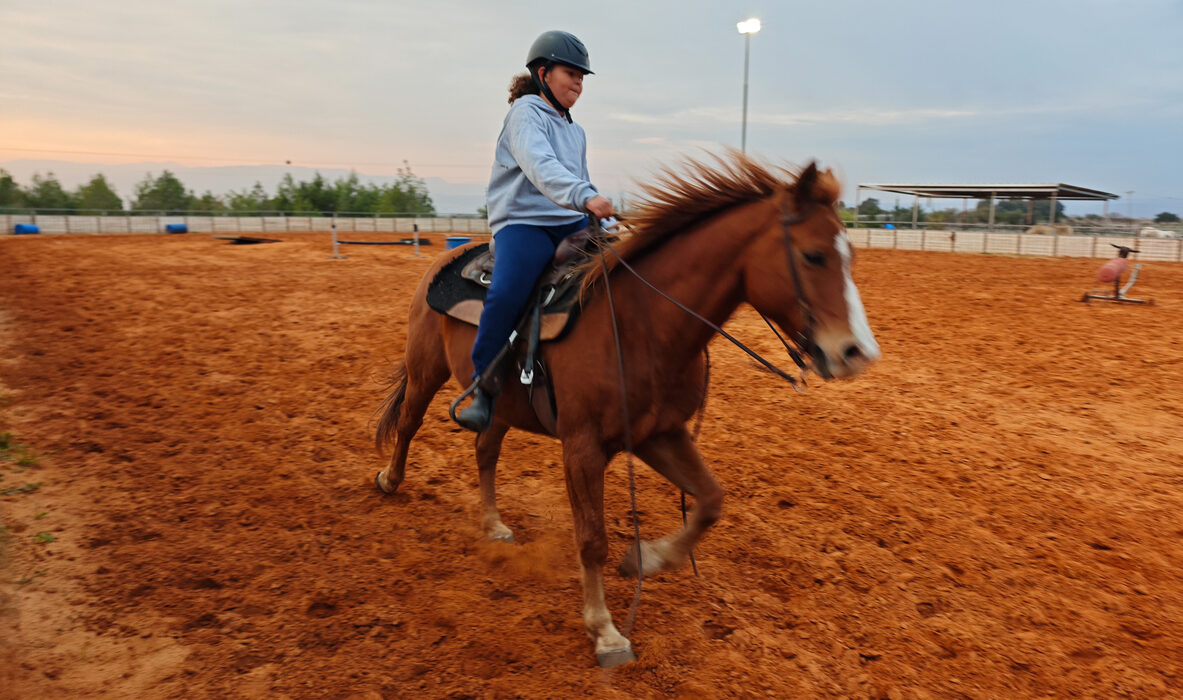
Why March is Perfect for Starting Horse Riding Lessons
Perfect Weather Conditions Make March Ideal for Beginners
Picture this: you walk into the barn on a crisp March morning, and your horse greets you with alert ears and bright eyes. The air feels fresh without the bite of winter cold, and you have plenty of daylight ahead for your lesson. This isn’t just a pleasant coincidence – it’s exactly why experienced trainers consider March the sweet spot for new riders to begin their equestrian journey.
The transition from winter’s harsh conditions to spring’s gentle embrace creates an environment where both horses and humans can focus on what really matters: building confidence, trust, and fundamental riding skills. Rather than battling extreme weather conditions or struggling with shortened daylight, March offers a natural window of opportunity that sets beginners up for success from their very first ride.
Spring temperatures are comfortable for both horse and rider
March temperatures in Ridgecrest typically hover between 50-70 degrees – that perfect range where you don’t need heavy winter layers but won’t be sweating through your helmet either. This temperature sweet spot means you can focus entirely on your posture, balance, and communication with your horse instead of constantly adjusting for comfort.
Horses are naturally more comfortable in cooler weather too. When the thermometer climbs above 80 degrees, horses start working harder just to regulate their body temperature, which can make them less patient with new riders still learning the ropes. But in March’s mild conditions, your horse maintains steady energy levels throughout the lesson, giving you consistent responses as you practice mounting, steering, and basic gaits.
The moderate temperatures also mean optimal clothing choices become second nature. You’ll wear breathable layers that move with you in the saddle, rather than bulky winter coats that restrict your movement or summer gear that leaves you sunburned and dehydrated. This comfort factor directly translates to better learning outcomes because you’re not distracted by physical discomfort.
Longer daylight hours provide more lesson flexibility
By March, daylight extends well into the evening hours, opening up scheduling possibilities that simply don’t exist during winter’s short days. Instead of rushing through lessons before sunset at 5 PM, you suddenly have options for after-school sessions, weekend afternoon rides, and even early evening lessons that take advantage of cooler temperatures.
This flexibility becomes especially valuable for families juggling school schedules, work commitments, and extracurricular activities. Parents can schedule horse riding lessons during times that work best for their child’s energy levels and attention span, whether that’s a focused morning session or a relaxed weekend afternoon ride.
Extended daylight also means more time for groundwork – those crucial first lessons about approaching, grooming, and understanding horses before you ever climb into the saddle. Many successful riders will tell you that the relationship built during these preliminary activities forms the foundation for everything that follows.
Fresh spring air helps horses stay calm and focused
There’s something almost magical about spring air that brings out the best in horses. The crisp, clean atmosphere after winter’s passing seems to energize them without creating the hyperactive behavior you might see on hot summer days or the sluggishness that can accompany cold winter mornings.
Horses are incredibly sensitive to atmospheric pressure and seasonal changes, and March often brings stable weather patterns that keep them emotionally balanced. This translates directly to better lesson experiences, as your horse will be more responsive to your cues and less likely to spook at minor distractions.
The fresh air also benefits riders by improving focus and reducing fatigue. You’ll find yourself breathing deeper and feeling more alert, which enhances your ability to absorb new information and maintain proper riding position throughout the lesson.
Avoiding summer heat stress during your first rides
Learning to ride involves a surprising amount of physical exertion, even when you’re just walking. Your core muscles work constantly to maintain balance, your legs grip to stay secure, and your arms guide the reins – all while your brain processes new information about timing, pressure, and horse behavior.
Add summer’s blazing heat to this equation, and you’ve got a recipe for exhaustion that can derail learning progress. In March, you can focus entirely on developing these new motor skills without the additional challenge of heat management. This is particularly important during those first few weeks when everything feels awkward and requires intense concentration.
Starting in March also gives you a full season to build strength and confidence before summer arrives. By the time temperatures soar, you’ll have developed the muscle memory and comfort level needed to handle lessons even in warmer conditions. The community atmosphere at established stables helps reinforce these skills through consistent practice and peer support throughout the spring months.
Horses Are Fresh and Energetic After Winter Rest
Why winter downtime creates eager, well-rested lesson horses
Winter gives lesson horses exactly what they need most: genuine rest and recovery time. While many riders assume horses get lazy during the colder months, the opposite actually happens. These intelligent animals use winter’s natural slowdown to recharge both physically and mentally.
At established training facilities, winter months mean lighter lesson schedules and more pasture time. Horses that have been working steadily through spring, summer, and fall finally get to decompress. Their muscles recover from months of carrying riders, their joints get a break from repetitive movements, and their minds reset from constant training routines.
This downtime creates something magical: horses that are genuinely excited to get back to work. By March, lesson horses have had enough rest to miss the mental stimulation that comes with training sessions. They start showing more interest when riders approach, perking up at the sound of tack being prepared, and demonstrating that eager-to-please attitude that makes them perfect partners for beginners.
The physical benefits are just as important. Well-rested horses move more freely, show better balance, and have the stamina needed for longer lessons. This translates directly into safer, more productive learning experiences for new riders who need patient, responsive horses beneath them.
Spring turnout brings out horses’ natural curiosity
March marks the beginning of extended turnout seasons in Ridgecrest, and this shift awakens something special in horses. After months of shorter days and limited pasture time, horses get to rediscover their natural behaviors and social dynamics.
Spring turnout does more than just provide exercise. It stimulates horses’ minds through environmental enrichment. They investigate new growth, explore areas of the pasture they hadn’t visited during winter, and engage in natural herd behaviors that keep them mentally sharp and socially balanced.
This renewed environmental stimulation creates horses that are more alert and responsive during lessons. They’re processing new information constantly, which actually makes them better at adapting to new riders and different training scenarios. A horse that spends quality time exploring and problem-solving in the pasture brings that same mental flexibility into the arena.
For beginning riders, this curiosity translates into horses that are more engaged with the learning process. Instead of going through motions mechanically, these horses actively participate in lessons, reading their riders’ cues and adjusting their responses accordingly. This partnership approach helps beginners develop confidence much faster than they would on disinterested or mentally stale horses.
Seasonal energy levels match beginner enthusiasm
March energy levels in horses perfectly complement the excitement and nervousness that new riders bring to their first lessons. Horses coming out of winter rest have what trainers call “controlled energy” – they’re alert and willing to work, but not overstimulated or unpredictable.
This controlled energy means lesson horses can match a beginner’s learning pace without becoming bored or distracted. When a new rider needs extra time to master mounting techniques or basic rein handling, March horses have the patience and attention span to accommodate slower learning curves.
The seasonal timing works especially well for programs focused on therapeutic horsemanship where building trust and confidence requires horses that can adapt to individual needs. Fresh horses naturally provide the responsiveness and engagement that helps riders of all abilities progress at their own pace.
Beginning riders often worry about whether they’ll be able to control or communicate with their horse. March horses, with their balanced energy levels, give new riders the perfect opportunity to experience successful communication right from their first lesson. This early success builds the foundation for a lifelong love of riding.
How cooler weather keeps horses patient with new riders
Ridgecrest’s mild March temperatures create ideal conditions for both horses and beginning riders. Cooler weather means horses aren’t dealing with heat stress, insect annoyance, or the sluggishness that can come with extreme temperatures.
Temperature regulation affects horse behavior more than most people realize. In cooler weather, horses think more clearly, react more predictably, and maintain their focus for longer periods. This translates into lesson horses that can concentrate on their job without being distracted by physical discomfort.
For new riders learning basic skills like steering, stopping, and maintaining balance, having a patient horse makes all the difference. Cool weather keeps horses comfortable enough to tolerate the inevitable mistakes beginners make – unsteady hands, unclear leg cues, or sudden weight shifts.
The comfortable temperatures also mean longer, more productive lessons. Neither horse nor rider gets overheated quickly, allowing instructors to spend adequate time on each skill before moving to the next step. This unhurried pace helps beginners build solid foundations instead of rushing through basics just to beat the heat.
Setting Yourself Up for a Full Season of Progress
Building skills gradually through spring and summer
March marks the beginning of what instructors call the “golden learning window” – that perfect stretch of months when riders can build skills systematically without weather interruptions or holiday distractions. Starting your riding journey now means you’ll progress through foundational skills during the mild spring months, then tackle more challenging techniques as your confidence grows alongside the warmer weather.
The beauty of beginning in March lies in the natural progression it allows. Your first month focuses on basic seat and balance while the temperatures hover in that comfortable 60-70 degree range. By April and May, you’re ready for more complex maneuvers like posting trots and simple pattern work. Then summer arrives, and you’re prepared to handle longer rides and more spirited horses when the energy levels peak.
This gradual build-up prevents the overwhelm that often happens when riders start mid-summer and try to cram months of learning into a few intense weeks. Instead, you develop what trainers call “seasonal muscle memory” – your body naturally adapts to increased riding demands as the months progress.
Creating consistent riding habits before busy summer schedules
Summer in Ridgecrest brings family vacations, weekend camping trips, and all those outdoor activities that can disrupt a new rider’s lesson schedule. But riders who start in March establish their weekly routine when calendars are still relatively open, making it much easier to maintain consistency later.
Think about it: March and April are typically the quietest months for most families. No major holidays, school schedules are settled, and the weather isn’t quite warm enough for weekend lake trips. This creates the perfect environment for establishing your riding rhythm – whether that’s Tuesday evenings or Saturday mornings becomes your sacred horse time.
By the time summer activities ramp up, your horse riding lessons have become such an ingrained part of your routine that you naturally work other activities around them, rather than the other way around. Riders who start later often struggle with this balance, frequently canceling lessons for summer events and losing momentum in their progress.
The consistency factor extends beyond just showing up. Regular March starts mean you’re working with the same instructor and often the same horses week after week, building those crucial relationships that accelerate learning. There’s something powerful about walking into the barn and having your horse recognize you – that connection doesn’t develop overnight.
Time to master basics before advanced trail riding season
Here’s what many new riders don’t realize: the spectacular trail riding season in the Eastern Sierra begins in earnest around late May and early June. Those gorgeous mountain trails and desert paths that make Ridgecrest riding so special require riders who’ve mastered fundamental skills – confident steering, smooth transitions, and calm responses to unexpected situations.
Starting in March gives you roughly 10-12 weeks to nail down arena basics before trail season opens. That’s enough time to progress from mounting assistance to independent mounting, from walking with constant guidance to confidently navigating simple obstacles. Most importantly, it’s time to develop what instructors call “reactive balance” – the ability to stay centered when your horse spooks at a jackrabbit or adjusts footing on uneven terrain.
Advanced riders know that barn preparation extends far beyond the saddle. March starters learn proper grooming techniques, basic horse psychology, and safety protocols while the pace is still relaxed. When trail season arrives, these riders aren’t just passengers – they’re partners who understand their horses and can make quick decisions on the trail.
Developing confidence in ideal learning conditions
Confidence in riding isn’t just about physical skills – it’s heavily influenced by your environment and first impressions. March offers what trainers consider optimal learning conditions: horses are fresh but not overly energetic, instructors have more individual attention to offer, and the weather creates comfortable, distraction-free lessons.
The moderate temperatures mean horses maintain steady temperaments, making them ideal partners for nervous beginners. There’s nothing quite like learning to post on a calm, predictable horse versus trying to master the same skill on a horse that’s feeling frisky from cooler fall weather or lethargic from summer heat.
March also means longer daylight hours are returning, so evening lessons don’t feel rushed against sunset. This extra time allows for those crucial confidence-building moments – an extra few minutes to practice mounting, additional rounds of a challenging exercise, or simply time to sit quietly on horseback and enjoy the connection with your horse. These moments, often impossible to schedule during busier seasons, become the foundation of lifelong riding confidence.
Practical Advantages of March Start Dates
Better instructor availability before peak season
March offers a sweet spot for securing your preferred instructor before the busy summer months arrive. Most established training facilities like c and c experience their highest demand from May through August when families have more flexible schedules.
By starting in March, you’ll have first pick of available time slots and can build a consistent routine with an instructor who matches your learning style. This is particularly important for beginners who benefit from working with the same trainer week after week. The instructor can track your progress more effectively and adjust lessons based on your developing skills.
March also means instructors have more energy and patience. They’re not yet managing the packed schedules that come with peak season. You’ll receive more personalized attention and potentially longer sessions when the barn isn’t bustling with multiple lessons running simultaneously. This extra attention during your foundational weeks can accelerate your learning curve significantly.
More flexible scheduling options for working adults
Working adults often struggle to find lesson times that fit around their professional commitments. March scheduling offers the greatest flexibility because demand hasn’t peaked yet. You can secure early morning slots before work, lunch hour sessions, or evening lessons that might become impossible to book later in the season.
Many horse riding lessons programs offer semi-private or small group options that become fully booked by summer. Starting in March means you can choose between private lessons for focused instruction or group lessons for social interaction and cost savings.
The scheduling flexibility extends to makeup lessons too. Weather cancellations in March can be rescheduled more easily than during busy summer months when every slot is filled. This matters because consistency in your early learning phase is crucial for building confidence and muscle memory.
Spring also aligns well with many people’s work schedules. Tax season ends, winter projects wrap up, and the natural rhythm of the year creates space for new commitments. Starting a riding routine in March means you can establish the habit before summer vacation disruptions begin.
Spring break timing works well for family lessons
Family lessons become much more feasible when you start in March because spring break provides an intensive learning opportunity. Many families use this week to take multiple lessons, creating momentum that carries through the rest of the season.
Children starting in March can participate in spring break camps or intensive programs that aren’t available at other times of year. These programs often include ground work, basic riding skills, and horse care education compressed into a week-long format that jump-starts their equestrian education.
Parents appreciate that March lessons help children develop outdoor activities before the screen-heavy summer months begin. The timing allows families to establish riding as a regular weekend activity while the weather is pleasant but not yet scorching hot.
March also works well for grandparents visiting during spring break who want to participate in family activities. Horse Riding programs often accommodate multi-generational lessons that create lasting memories while introducing multiple family members to the sport simultaneously.
Equipment fitting and purchases before summer demand
Smart riders start shopping for equipment in March before prices spike and inventory dwindles. Riding helmets, boots, and basic gear are more readily available and often discounted as retailers clear winter inventory to make room for summer stock.
Helmet fitting is particularly important and easier to accomplish in March when tack shops aren’t overwhelmed with customers. A properly fitted helmet requires time and attention that busy summer sales staff might not have available. Starting lessons in March gives you time to visit multiple shops and ensure you get the right fit.
Many training stables offer equipment rental or lease programs that fill up as the season progresses. By starting in March, you can access these programs and test different brands and styles before making purchases. This trial period prevents expensive mistakes and helps you understand what equipment suits your riding style.
March equipment shopping also allows time for special orders if you need unusual sizes or specific features. Summer demand often depletes inventory, leaving riders with limited options or forcing them to wait weeks for restocks. Starting early means you can take your time making informed decisions rather than settling for whatever is available.
Building the Right Foundation from Day One
Essential safety skills every beginner needs to master
Before you even think about getting in the saddle, there are fundamental safety principles that form the backbone of every successful riding experience. These aren’t just rules – they’re the difference between a rewarding lesson and a potentially dangerous situation.
The most critical skill? Learning to approach horses correctly. Horses are prey animals with blind spots directly behind and in front of them, so approaching from the side at shoulder level becomes second nature. New riders at C and C Training Stables quickly learn to announce their presence with a calm voice before making contact.
Proper helmet fitting and equipment checks come next. Your instructor will show you how to adjust stirrups to the correct length (they should hit just below your ankle bone when your leg hangs straight). Understanding how to hold reins correctly – not gripping them like bicycle handlebars – prevents accidental jerking motions that can startle your horse.
Leading a horse safely involves positioning yourself at the horse’s shoulder, never directly in front where you could be stepped on. These foundational skills might seem basic, but they create the confidence needed for everything that follows.
Proper mounting and dismounting techniques
Getting on and off a horse correctly is an art form that prevents injuries to both rider and horse. Many beginners rush this process, but taking time to master proper technique pays dividends throughout your riding journey.
Mounting begins on the ground with your horse standing square and still. You’ll learn to gather reins in your left hand (maintaining gentle contact without pulling), place your left foot in the stirrup with the ball of your foot on the iron, and spring up smoothly without kicking the horse’s side. The key is momentum – a quick, fluid motion rather than hauling yourself up slowly.
Professional instructors emphasize keeping your right leg clear as you swing over. Landing softly in the saddle shows respect for your horse’s back. During your first month, you might use a mounting block (there’s no shame in this – it’s actually better for the horse’s spine).
Dismounting reverses the process but requires equal attention. Removing both feet from stirrups, swinging your right leg over without catching it on the cantle, and landing with bent knees protects your joints. These structured lessons ensure you develop muscle memory for these essential movements.
Understanding horse behavior and communication
Horses communicate constantly through body language, and reading these signals transforms nervous beginners into confident riders. Understanding what your horse is “saying” creates a partnership rather than just sitting on top of an animal.
Ear position tells you everything. Forward ears indicate attention and interest, while pinned-back ears signal irritation or discomfort. Sideways ears often mean the horse is listening to something else – maybe another rider or activity in the arena. Learning to notice these subtle cues helps you respond appropriately.
Tension in a horse’s body shows up in different ways. A high head carriage might indicate nervousness, while a relaxed, lowered head suggests contentment. Tail swishing can mean fly annoyance or frustration, while a clamped tail often indicates fear or cold weather.
Understanding flight response helps explain why horses sometimes react suddenly to unexpected sounds or movements. They’re hardwired to move first and think later. Recognizing when your horse is alert or concerned allows you to provide reassuring cues through your seat, legs, and voice.
What to expect in your first few lessons
Your initial riding experiences focus on building confidence and establishing basic position rather than advanced techniques. Most people envision themselves immediately trotting around the ring, but quality instruction takes a more methodical approach.
Lesson one typically happens entirely at a halt. You’ll practice mounting, finding your balance, holding reins correctly, and basic leg position. Your instructor might have you perform simple exercises like touching your toes or reaching back to pat the horse’s rump – these aren’t silly games but essential balance-building activities.
By lesson three or four, you’ll likely experience your first walk. This gait teaches you to follow the horse’s movement with your hips while maintaining steady hands. Many riders discover that walking feels more challenging than they expected because it requires active participation rather than just sitting there.
Expect to feel sore muscles you didn’t know existed. Inner thighs, lower back, and core muscles all work differently when riding. Those offering horse riding lessons understand this adjustment period and provide guidance on stretching and strengthening exercises to help your body adapt.
Progress varies significantly between individuals. Some riders feel comfortable within a few lessons, while others need more time to develop balance and confidence. Both paths are completely normal and acceptable.
Making the Most of Desert Climate Advantages
Why high desert conditions are perfect for year-round riding
Ridgecrest’s unique high desert location creates an exceptional environment for equestrian activities throughout the year. The combination of low humidity, minimal precipitation, and consistent atmospheric pressure means horses and riders can maintain regular training schedules without the weather disruptions common in other climates. Unlike coastal areas where fog and dampness can create slippery conditions, or mountainous regions where snow limits outdoor activities, the Mojave Desert’s stable weather patterns support continuous skill development.
The desert’s natural advantages extend beyond just dry conditions. The terrain around Ridgecrest offers varied topography that challenges riders while remaining safe and manageable. Rolling hills, flat stretches, and gentle inclines provide natural obstacles for building confidence and improving riding technique. This geographical diversity means beginners can start on level ground and gradually progress to more challenging terrain as their skills develop.
Temperature stability in the high desert also benefits both horses and riders. While summer months can be intense, the spring season offers ideal conditions with daytime temperatures rarely exceeding comfortable ranges. The lack of sudden weather changes means lesson plans remain consistent, allowing for structured progression in training programs.
Taking advantage of mild spring mornings
March mornings in Ridgecrest typically start with crisp, refreshing temperatures that energize both horses and riders. These cooler morning hours (usually between 45-65 degrees) create optimal conditions for focused learning sessions. Horses are naturally more alert and responsive during cooler periods, making it easier for new riders to establish communication and build trust with their mounts.
The gentle morning light also provides excellent visibility without the harsh glare that can develop later in the day. This softer lighting helps beginners read their horse’s body language more clearly and allows instructors to better observe and correct riding posture. Morning sessions also tend to be calmer, with less wind and environmental distraction.
Starting lessons early in the day takes advantage of peak energy levels for both participants. Children and adults alike are typically more focused and receptive to instruction during morning hours, before daily fatigue sets in. This timing coincides perfectly with horses’ natural activity patterns, as they’re naturally more active during cooler parts of the day.
Planning lessons around seasonal weather patterns
March weather patterns in the high desert follow predictable cycles that allow for strategic lesson planning. Mornings typically offer calm conditions with light breezes, while afternoons may bring stronger winds that can make riding more challenging for beginners. Understanding these patterns helps instructors schedule appropriate activities for different skill levels throughout the day.
The month typically sees minimal precipitation, but when spring showers do occur, they’re usually brief and predictable through weather forecasting. This allows for flexible scheduling adjustments while maintaining consistent training momentum. The quick-draining desert soil means riding areas return to optimal conditions rapidly after any moisture.
Seasonal transitions also provide teaching opportunities about horse care and management. March weather allows instructors to demonstrate how horses respond to temperature changes, proper blanketing decisions, and seasonal grooming needs. These lessons in horsemanship extend beyond riding skills to develop well-rounded equestrian knowledge.
Indoor vs outdoor lesson considerations for March weather
March’s favorable conditions in Ridgecrest make it an ideal time to emphasize outdoor riding experiences. While indoor arenas provide controlled environments for foundational skill building, the mild spring weather allows new riders to experience the full scope of equestrian activities in natural settings. This exposure helps develop confidence and adaptability that serves riders well in various situations.
Outdoor lessons in March weather offer opportunities to practice skills like trail awareness, natural obstacle navigation, and environmental responsiveness. These experiences are particularly valuable for riders who plan to participate in trail riding or competitive events that take place in outdoor venues.
The combination of comfortable temperatures and stable conditions means lessons can seamlessly transition between indoor fundamental work and outdoor practical application. This flexibility allows instructors to customize training based on individual student needs and progress levels.
March’s perfect weather conditions create an exceptional window for beginning your equestrian journey in Ridgecrest. The combination of mild temperatures, stable weather patterns, and optimal visibility makes this the ideal time to discover the joy of horseback riding. Whether you’re considering lessons for yourself or your family, the desert’s natural advantages provide the perfect backdrop for building lasting skills and relationships with these magnificent animals.