Breaking Down Advanced Maneuvers into Manageable Steps
Understanding the Foundation Before Attempting Complex Movements
Picture this: you’re watching an advanced rider effortlessly guide their horse through a flying lead change, and it looks like pure magic. But here’s the thing that most people don’t see—that seamless movement is actually the result of hundreds of tiny, perfectly executed foundational skills stacked on top of each other. Jumping straight into advanced horse maneuvers without proper groundwork is like trying to build a skyscraper on sand.
Every successful advanced movement starts with rock-solid basics. The horses that excel at complex maneuvers aren’t necessarily the most naturally gifted—they’re the ones whose riders took the time to establish unshakeable foundations. And that foundation-building process? It’s actually where the real artistry of horsemanship happens.
Assessing Your Horse’s Current Training Level
Before you even think about attempting that half-pass or flying change, you need an honest evaluation of where your horse actually stands. This isn’t about ego—it’s about safety and success. Start by testing your horse’s response to basic aids under varying conditions.
Can they maintain a steady walk, trot, and canter on a loose rein? Do they respond immediately to your seat, leg, and hand signals?
Here’s a simple test: ask for a square halt from the trot. If your horse takes more than three steps to come to a complete, balanced stop, you’ve got foundation work to do. Watch their ears and body language during transitions. A horse that’s truly ready for advanced work will show relaxation and willingness, not tension or resistance.
Pay attention to consistency too. Your horse might nail a perfect shoulder-in on Tuesday but struggle with basic bend on Wednesday. Advanced maneuvers require predictable responses, which means your horse needs to perform foundational movements correctly at least 80% of the time before moving up.
Ensuring Proper Basic Commands Are Solidly Established
Basic commands aren’t just beginner skills—they’re the building blocks that make everything else possible. Your horse should respond to leg pressure without tension, understand forward and backward cues clearly, and move laterally when asked. But here’s what really matters: they should do these things while maintaining their natural rhythm and balance.
Test your basics regularly. Can your horse perform a turn on the forehand smoothly in both directions? Do they back up straight and willingly? These movements might seem simple, but they require your horse to understand independent leg aids and maintain collection. The techniques covered in our foundation training approach emphasize this step-by-step building process.
Remember that “knowing” a command and truly understanding it are different things. A horse that rushes through a leg yield or loses rhythm during a simple change isn’t ready for more complex lateral work. Take the time to refine these basics until they become second nature.
Evaluating Physical Readiness and Conditioning
Advanced maneuvers place significant physical demands on your horse, and attempting them before your horse is properly conditioned can lead to injury or behavioral problems. Look at your horse’s topline development—you should see clear muscle definition along their back and hindquarters. Their movement should show natural collection and self-carriage, not hollow-backed straining.
Assess their stamina honestly. Can your horse maintain quality movement for a full 30-minute session? Do they show signs of fatigue after basic schooling exercises? Advanced movements require strength, flexibility, and cardiovascular fitness that develops gradually over months, not weeks.
Pay special attention to their hind end engagement. Watch your horse from behind during basic exercises. Their hindquarters should track evenly, and you should see clear muscle engagement. A horse that’s physically ready for advanced work will naturally begin to show collection and self-carriage during regular flatwork.
Building Trust and Communication Between Horse and Rider
Trust isn’t just about your horse not spooking at plastic bags—it’s about creating a partnership where your horse actively participates in the training process. When trust is solid, your horse will try to understand what you’re asking rather than simply reacting to pressure. This means they’ll work through confusion instead of shutting down or becoming defensive.
Communication clarity becomes crucial at advanced levels. Your horse should understand the difference between a preparatory half-halt and a request to slow down. They should distinguish between leg pressure that asks for forward movement versus lateral movement. This precision only develops through consistent, patient repetition of clear signals.
The best indicator of solid trust and communication? Your horse’s willingness to attempt something new. When you introduce the early stages of an advanced movement, a confident horse will try to figure out what you want. They might not get it right immediately, but they’ll stay relaxed and engaged in the learning process rather than becoming tense or resistant.
The Progressive Training Philosophy: Small Steps Lead to Big Results
Breaking Complex Movements into Component Parts
Every advanced maneuver, whether it’s a perfect sliding stop or a collected canter pirouette, actually consists of multiple foundational elements working together. The key to successful training lies in identifying these individual components and teaching them separately before combining them into the final movement.
Take a flying lead change, for example. This seemingly fluid movement breaks down into timing, balance, collection, and the horse’s understanding of the rider’s aids. Instead of attempting the full maneuver immediately, start with counter-canter work to develop balance, then simple lead changes at the walk to establish timing, and finally progress to collected canter work that creates the proper frame.
The same principle applies to ground work. A horse that performs liberty work flawlessly didn’t learn those movements overnight. Each gesture, turn, and transition was taught as an individual response before being linked together. This systematic approach prevents confusion and builds the horse’s confidence in what you’re asking.
Setting Realistic Timelines for Skill Development
One of the biggest mistakes trainers make is rushing the timeline for advanced horse maneuvers. Each horse learns at their own pace, and factors like age, previous experience, and natural athleticism all influence how quickly they’ll master new skills.
A general rule of thumb: plan for each component skill to take 2-3 weeks of consistent work before moving to the next level. For complex movements like piaffe or passage, you might spend months developing the necessary strength and understanding. This isn’t slow progress – it’s smart training that creates lasting results.
Consider your horse’s physical development too. Young horses need more time to develop the muscle memory and strength required for collection, while older horses might need additional conditioning to maintain the athleticism these movements demand. Working with experienced trainers through programs like those at community-focused stables helps you gauge realistic expectations for your specific horse.
Document your progress weekly. What feels like slow advancement day-to-day often shows significant improvement when viewed over months. This perspective keeps you motivated during the inevitable plateaus that come with advanced training.
Recognizing When to Advance vs. When to Reinforce
The art of progressive training lies in reading your horse’s responses and knowing when to push forward versus when to consolidate current learning. Horses communicate their readiness through body language, willingness, and the consistency of their responses.
Signs your horse is ready to advance include: consistent success with the current exercise (80% accuracy or better), relaxed body language during training, and active engagement with the work. Your horse should be seeking the correct response rather than simply tolerating the exercise.
Conversely, if your horse shows tension, confusion, or resistance, step back and reinforce the foundational components. Rushing past these signals creates training holes that will surface later as bigger problems. Sometimes the most productive session is one where you return to simpler exercises and rebuild confidence.
Weather conditions in Ridgecrest can also influence this decision. On particularly hot days, shorter sessions focused on reinforcement rather than advancement might be more appropriate for both horse and rider.
Creating Consistent Practice Routines
Advanced horse training steps require structure and repetition to become ingrained. Develop a routine that incorporates warm-up, skill practice, integration work, and cool-down phases. This predictability helps your horse understand the work and reduces anxiety about new challenges.
Start each session with basic movements your horse knows well. This builds confidence and establishes communication before tackling more challenging work. Spend the middle portion of your session on one or two specific components of your advanced movement, keeping sessions to 20-30 minutes of focused work to prevent mental fatigue.
End with something your horse does well, even if it’s simple. This positive conclusion maintains enthusiasm for future training sessions and prevents the horse from associating work time with frustration or difficulty.
Consistency doesn’t mean identical sessions every day. Vary your approach while maintaining the same basic structure. Some days focus on physical conditioning, others on precision, and still others on putting components together. This variation keeps both you and your horse mentally engaged while steadily progressing toward your goals.
Remember that every professional trainer started with these same principles. The horses that eventually perform advanced maneuvers flawlessly all began with careful, systematic development of each individual skill.
Essential Preparation Techniques for Advanced Work
Warming Up and Conditioning Exercises
Proper conditioning creates the physical foundation that makes advanced maneuvers possible. Your horse needs targeted muscle development, flexibility, and cardiovascular fitness before attempting complex movements like flying lead changes or half-passes.
Start with 15-20 minutes of varied gaits on a long rein. This isn’t just about getting your horse moving – you’re actively building the suppleness and strength required for precision work. Incorporate lateral exercises like leg yields and shoulder-in at the walk and trot. These movements develop the muscle memory and balance your horse will rely on during advanced training sessions.
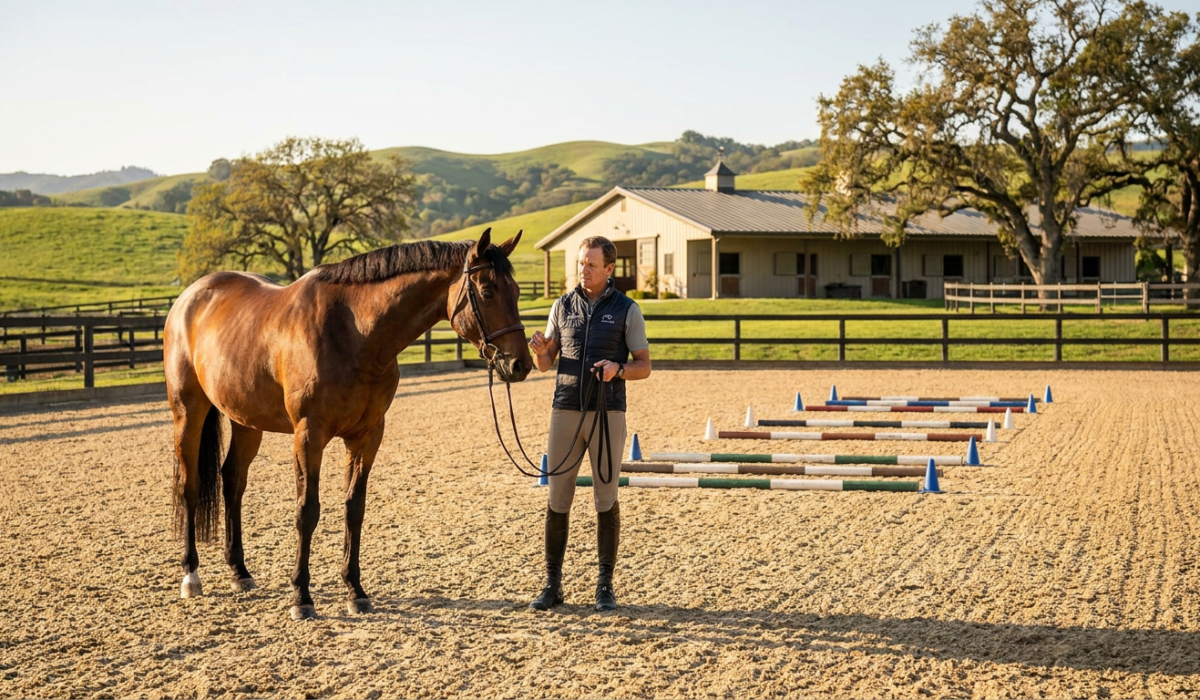
Ground pole exercises work wonders for developing proprioception and coordination. Set up a series of poles at varying distances – this forces your horse to think about foot placement and engages their core muscles. Many riders in the horse riding community underestimate how much these simple exercises contribute to later success with complex movements.
Hill work and varied terrain training build the specific muscle groups needed for collection and extension. If you’re working in flat areas, use cavaletti or raised poles to simulate the engagement benefits of hill training. The key is consistency rather than intensity – daily conditioning work prevents injuries and creates the physical capacity for advanced movements.
Mental Preparation Strategies for Both Horse and Rider
Mental preparation often determines whether an advanced maneuver succeeds or fails. Horses pick up on rider tension immediately, so your mental state directly affects their performance. Before attempting complex movements, establish a calm, focused mindset through breathing exercises and visualization techniques.
Create positive associations with challenging work by starting each session with something your horse does well. This builds confidence and establishes a cooperative mindset. Many trainers make the mistake of jumping straight into difficult movements when the horse’s mental state isn’t ready for learning.
For horses, mental preparation involves gradual exposure to the components of advanced movements. Break down complex maneuvers into individual elements and practice these separately until they become second nature. A horse that understands shoulder-in, haunches-in, and collection individually will approach a half-pass with confidence rather than confusion.
Environmental consistency helps both horse and rider focus on the work itself. Use familiar locations and equipment when introducing new movements. Save challenging environments for after the movement is well-established. This reduces variables and allows both partners to concentrate on the technical aspects of the training.
Equipment Considerations for Complex Maneuvers
The right equipment makes advanced training safer and more effective, but it won’t fix fundamental training gaps. Your tack must fit properly and allow for the increased collection and movement demands of advanced work.
Saddle fit becomes critical as you ask for greater engagement and collection. A saddle that restricts shoulder movement or pinches during lateral work will limit your horse’s ability to perform correctly. Many riders need different saddles for advanced training than they use for basic riding.
Bit selection requires careful consideration of your horse’s mouth conformation and training level. Stronger bits don’t create better advanced movements – clear communication and proper preparation do. Start with the mildest bit that gives you effective communication, and only consider changes if specific issues arise during training progression.
Protective equipment like boots or wraps prevent injury during the learning phase when horses might interfere with themselves while mastering new movements. However, these should supplement proper preparation rather than compensate for inadequate conditioning or rushed training timelines.
Safety Protocols and Risk Management
Advanced movements involve increased physical and mental demands that create specific safety considerations. Establishing clear safety protocols before beginning complex training prevents accidents and builds confidence for both horse and rider.
Always work with a knowledgeable ground person when learning new movements. They can spot potential problems, provide immediate feedback, and assist if things go wrong. This outside perspective is invaluable during the learning process and significantly reduces risk.
Set specific criteria for stopping a training session. These might include signs of physical fatigue, mental overwhelm, or environmental distractions that compromise focus. Pushing through these warning signs often creates negative associations that take weeks to overcome.
Environmental safety checks become more important as movements become more complex. Ensure adequate footing, appropriate space for the movements you’re practicing, and freedom from distractions. Many accidents happen when riders attempt advanced work in suboptimal conditions.
Emergency procedures should be rehearsed and understood by everyone involved in the training. Know how to safely dismount during a difficult situation and have a plan for managing a horse that becomes overwhelmed or panicked during training sessions.
Step-by-Step Breakdown of Popular Advanced Movements
Lateral Movements: From Leg Yield to Half-Pass
Lateral movements form the backbone of advanced dressage and precision riding, but they’re actually quite achievable when broken down properly. The key is understanding that each movement builds on the previous one, creating a natural progression that horses can follow without confusion.
Start with the leg yield, which teaches your horse to move sideways while maintaining forward momentum. Position your horse at a slight angle to the rail (about 30 degrees), apply your inside leg at the girth, and ask for just three steps sideways. That’s it. Most riders try for too much too soon, which creates resistance. Build to five steps, then eight, before attempting a full long side.
The shoulder-in comes next, requiring more collection and bend. Think of it as a leg yield with the horse’s shoulders positioned on an inner track. Your horse should maintain a consistent 30-degree angle with even steps. Practice this at the walk for weeks before attempting trot work.
Half-pass represents the culmination of lateral training. The horse moves diagonally across the arena while maintaining bend toward the direction of travel. Break this down into quarter-lines first (just a few steps diagonally), then gradually increase the angle and distance. The secret is maintaining impulsion throughout the movement.
Collection and Extension Work
Collection and extension aren’t just about speed changes; they’re about energy management and balance. Many riders make the mistake of thinking collection means slower and extension means faster, but that completely misses the point.
True collection starts with teaching your horse to shift weight to the hindquarters while maintaining the same tempo. Begin with simple transitions within the gait. At the trot, ask for just five steps of slightly more elevated movement, then return to working trot. Your horse should feel more bouncy, not slower.
The key exercise here is the half-halt. Practice this religiously: a slight seat aid, brief rein contact, then release. This becomes your primary tool for rebalancing and preparing for collection. In our experience here in horse riding, horses learn collection best when they understand the half-halt as a request to “package” their energy, not shut it down.
Extension work requires the opposite approach. Rather than simply pushing for more speed, focus on lengthening the horse’s frame while maintaining rhythm. Start with just a few longer steps, then return to working gaits. The goal is to feel the horse reaching forward with confidence, not running away from your aids.
Flying Lead Changes and Counter-Canter
Flying lead changes intimidate many riders, but they’re simply a natural progression from solid counter-canter work. Horses change leads naturally in the field all the time; we just need to learn how to ask for it on cue.
Counter-canter provides the foundation for changes because it teaches balance and obedience to your aids regardless of the lead. Start by asking for just a few steps of counter-canter on a large circle. Your horse should remain calm and balanced, not rushing to change leads.
Build counter-canter gradually: large circles become smaller ones, then serpentines with simple changes through walk. Only when your horse can maintain counter-canter confidently should you attempt flying changes.
For the flying change itself, timing is everything. The change happens during the moment of suspension in the canter stride. Practice the aid sequence at walk first: shift your weight slightly, change your leg position (outside leg moves back, inside leg at girth), and provide a clear but quiet cue. When you apply this at canter, the change should feel effortless.
Precision Backing and Pivot Turns
Backing often gets overlooked in training programs, but it’s actually one of the most valuable exercises for developing responsiveness and strength. The key is asking for quality steps, not just any backward movement.
Start with one perfect step back. Your horse should lift each diagonal pair cleanly, moving straight without rushing. Use light seat and rein aids, never pulling backward. If your horse resists, return to groundwork and practice backing from pressure on the chest.
Build to three steps, then five, always maintaining straightness and rhythm. Advanced backing includes backing on a circle or through cones, which requires incredible balance and precision.
Pivot turns (both on the forehand and haunches) teach different types of engagement. Turn on the forehand moves the hindquarters around stationary front feet, while turn on the haunches keeps the hind feet in place. Start with quarter-turns, focusing on maintaining forward energy even while turning. The horse should never feel dead or resistant during these movements.
Each of these maneuvers becomes achievable when you focus on quality over quantity and build systematically through smaller components.
Troubleshooting Common Training Challenges
Identifying and Correcting Resistance Issues
Resistance during advanced training usually stems from confusion rather than defiance. When your horse suddenly balks at a movement they’ve done before, step back and assess what changed. Did you rush the preparation? Is your timing off? Most resistance issues trace back to unclear communication or skipped foundation work.
The key is recognizing resistance early. Watch for tension in your horse’s jaw, tail swishing, or ears pinned back. These signals tell you something isn’t working before the situation escalates. Instead of pushing through, break the movement down further. If your horse resists a flying lead change, practice simple lead changes at the walk first. Build confidence through success, not force.
Sometimes resistance comes from physical discomfort. A horse that suddenly refuses to collect might have soreness you can’t see. Check your tack fit and consider a veterinary evaluation. In Ridgecrest’s dry climate, horses might also resist work due to dehydration or dust irritation. Address these basics before assuming it’s a training issue.
Working Through Fear and Anxiety
Fear responses in horses can derail months of progress if handled incorrectly. When a horse becomes anxious about advanced work, their flight instinct overrides their training. Your job is creating safety and rebuilding confidence one small step at a time.
Start by identifying fear triggers. Is your horse worried about specific movements, certain areas of the arena, or particular equipment? Once you know what’s causing the anxiety, you can address it systematically. Use approach and retreat techniques, allowing your horse to investigate scary objects or movements at their own pace.
Breathing exercises work wonders for anxious horses. Teach your horse to stand quietly and relax through consistent groundwork. Many experienced trainers in our therapeutic programs use these calming techniques to help both horse and rider manage stress during challenging sessions.
Remember that fear is contagious. If you’re tense about your horse’s anxiety, they’ll pick up on your energy and become more worried. Stay calm, breathe deeply, and focus on simple tasks your horse can accomplish successfully. Building positive associations takes time, but it’s worth the investment.
Adjusting Techniques for Different Horse Temperaments
Not every training method works for every horse. What motivates a bold, forward-thinking horse might overwhelm a sensitive, reactive one. Understanding your horse’s natural temperament helps you choose the right approach for advanced training.
Hot, reactive horses need more cooling-off time between exercises. They learn best with shorter, frequent sessions rather than long training periods. These horses often excel at quick movements but struggle with collected work that requires patience. Use lots of walking breaks and vary your routine to keep their minds engaged without overstimulating them.
Lazy or unmotivated horses require different strategies. They need more energy and forward momentum before attempting precision work. These horses might need spurs or a whip as backup, but always start with light aids. Build their work ethic gradually, making sure they understand that effort gets rewarded while ignoring aids doesn’t.
Sensitive horses fall somewhere in between. They respond well to clear, consistent communication but shut down if they feel pressured. These horses often make excellent partners for advanced work once you establish trust. Use your voice, body language, and gentle aids to guide them through complex movements.
When to Seek Professional Guidance
Knowing when you’re in over your head is a crucial skill in horse training. Some challenges require professional intervention, whether that’s a trainer, veterinarian, or equine behaviorist. Don’t let pride keep you from getting help when you need it.
Call in a professional when you’ve tried multiple approaches without progress for several weeks. If your horse is escalating dangerous behaviors like rearing or bolting, stop immediately and seek qualified assistance. These issues can become deeply ingrained habits if handled incorrectly.
Physical problems also warrant professional evaluation. If your horse suddenly develops resistance to movements they previously performed willingly, rule out pain or injury before continuing training. A lameness evaluation or saddle fit assessment might reveal issues you can’t see.
Sometimes you just need fresh eyes on your training program. Even experienced riders benefit from periodic lessons or training clinics. What feels like a major roadblock to you might be a simple timing issue that an instructor can spot immediately. The investment in professional guidance often saves months of frustration and keeps both you and your horse safe while progressing through advanced work.
Maintaining Progress and Building Consistency
Developing a Systematic Practice Schedule
Consistency beats intensity every single time when it comes to mastering advanced horse maneuvers. Creating a structured practice schedule helps both you and your horse build muscle memory without overwhelming either partner. Most successful training programs follow a three-days-on, one-day-off pattern that allows for skill development while preventing burnout.
Start each session with a five-minute warm-up focusing on basic movements your horse already knows. This creates confidence and gets the blood flowing before tackling more challenging work. Dedicate the middle 15-20 minutes to your target advanced maneuver, breaking it down into the smallest possible components. End with five minutes of something your horse enjoys, whether that’s simple grooming or a leisurely walk around the arena.
Weather patterns in Ridgecrest actually work in your favor here. The consistent climate means you can maintain regular training schedules without constantly adjusting for seasonal changes. This predictability helps horses develop the routine they crave while giving you the flexibility to plan longer-term skill development.
Tracking Improvement and Celebrating Small Wins
Progress in advanced horse training happens in increments so small you might miss them without deliberate tracking. Keep a simple training log noting what you worked on, how your horse responded, and any breakthrough moments (however minor they might seem). Even something like “held half-pass position for three strides instead of two” represents genuine progress worth documenting.
Video recordings become invaluable tools for spotting improvements that feel invisible in the moment. Record the same movement once a week from the same angle. You’ll be amazed how much clearer your horse’s development becomes when you can compare footage from different sessions. These visual records also help identify subtle tension patterns or timing issues that need attention.
Celebrate every small victory with your horse immediately. A gentle pat, a brief break, or even just releasing pressure the moment they get something right reinforces the behavior you want. Horses learn through positive associations, and acknowledging their efforts creates motivation for the next training session.
Preventing Regression and Maintaining Skills
Advanced maneuvers require ongoing maintenance, even after you’ve achieved initial success. Skills that aren’t regularly practiced tend to deteriorate, sometimes faster than you’d expect. Build “review days” into your training schedule where you revisit previously mastered movements without trying to push for new progress.
Physical fitness plays a huge role in skill retention for both horse and rider. A horse that’s out of shape will struggle with movements they could perform easily when fit. Maintain baseline conditioning through regular exercise, even during periods when you’re not actively working on advanced techniques. The same applies to rider fitness – your core strength and balance directly impact your horse’s ability to perform complex movements.
Environmental factors can trigger regression too. Changes in routine, new arena surfaces, or different equipment might cause temporary setbacks in performance. Rather than pushing through these challenges, acknowledge them and temporarily simplify your training until your horse readjusts. This patient approach prevents the formation of negative associations that could create long-term problems.
Long-term Development Planning for Horse and Rider Teams
Successful advanced training requires thinking in months and years, not days and weeks. Map out realistic timelines for different skills, understanding that some horses naturally excel at certain movements while struggling with others. A horse with exceptional natural balance might master flying lead changes quickly but need extra time developing lateral movements.
Your own skill development as a rider needs equal attention in long-term planning. Advanced maneuvers demand precise timing, independent seat aids, and subtle communication that takes years to develop. Consider working with experienced trainers who can help accelerate your learning while preventing the formation of bad habits that could limit your horse’s progress.
Regular assessment sessions help maintain perspective on overall development. Every three months, step back and evaluate both individual skills and your partnership as a whole. Are you developing tension patterns that need addressing? Has your horse’s enthusiasm for training remained high? These check-ins help you adjust your approach before small issues become major obstacles.
The journey of mastering advanced horse maneuvers creates a partnership unlike anything else in the equestrian world. Each breakthrough moment strengthens the communication between horse and rider, building trust that extends far beyond the training arena. Whether you’re just beginning to explore advanced work or looking to refine existing skills, remember that every expert was once a beginner who refused to give up. The trails and arenas around Ridgecrest offer the perfect backdrop for this incredible journey of discovery with your equine partner.
Related Posts
- Candee Coffee: Five Decades of Horsemanship in Ridgecrest
- More Than Riding Lessons: C and C Training Stables as a Community Oasis
- Riding Into Inclusivity: Youth Programs and Therapeutic Horsemanship at C and C Training Stables
- Behind the Barn Doors: A Day in the Life at C and C Training Stables
- The Lasting Legacy of C and C Training Stables in Ridgecrest
- Getting Your Horse Ready for Spring Riding Season in Ridgecrest
- Spring Training Tips That Actually Work for New Riders
- Why March is Perfect for Starting Horse Riding Lessons