Establishing Positive Associations Through Consistent Summer Reinforcement in 2026
Understanding the Power of Positive Reinforcement in Equine Training
Ever wonder why some horses seem to genuinely enjoy their work, performing willingly and eagerly, while others appear reluctant or even defiant? The secret often lies in the training methodology. At C and C Training Stables, we’ve seen firsthand how implementing positive reinforcement transforms both the horse’s attitude and the human-equine relationship. It’s not just about getting a desired action; it’s about building a language of consent and cooperation. In decades of horsemanship, we’ve learned that understanding and applying these principles creates a more harmonious and effective partnership. But what exactly does positive reinforcement mean in the equestrian world, and how does it truly work?
Defining Positive Reinforcement in the Equestrian Context
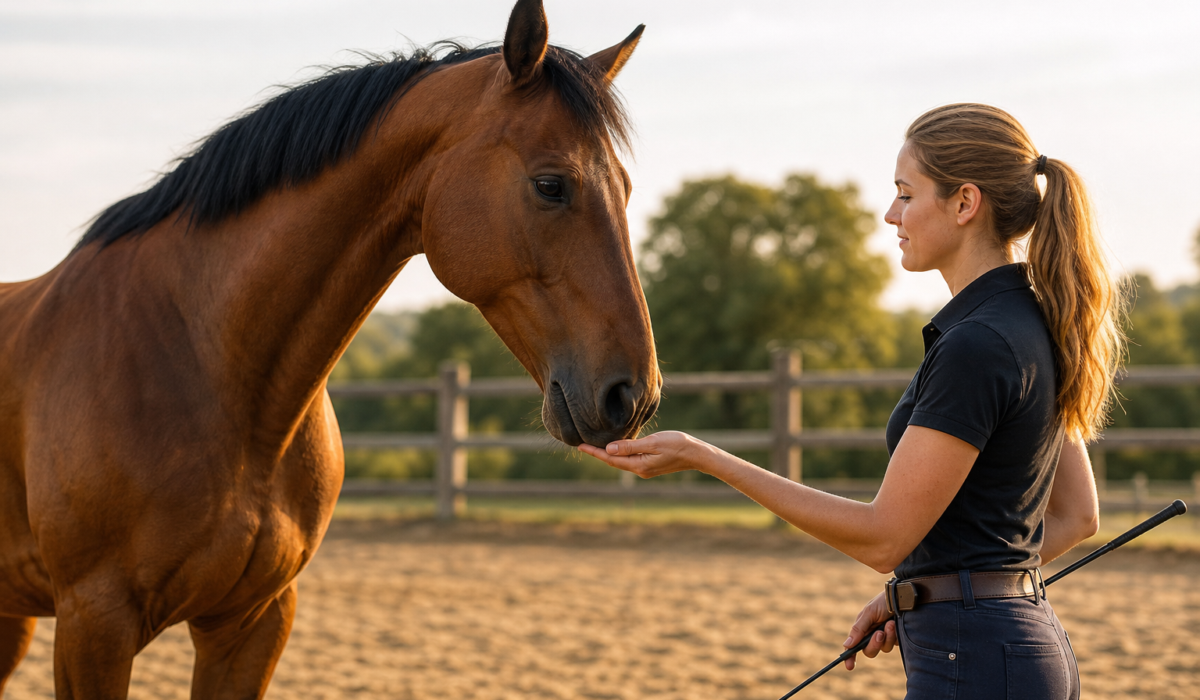
In simple terms, positive reinforcement in horse training involves adding something desirable to the horse’s environment immediately after a correct behavior occurs, thereby increasing the likelihood of that behavior happening again. This could be anything from a scratch on their favorite spot, a verbal “good job,” or a food treat. The key is that the horse perceives it as a reward. It’s about clear communication: “You did X, and I liked X, so here’s something pleasant.” This isn’t about bribing; it’s about making the right choices rewarding for the horse. For instance, when a horse offers a soft bend when asked, a gentle release of pressure and a quick, satisfying scratch on the neck reinforces that specific action. This approach is fundamental to all our services, from foundational training to more advanced maneuvers.
The Science Behind Reward-Based Learning in Horses
The principles of positive reinforcement are rooted deeply in behavioral science, specifically operant conditioning. Horses, like many animals, are constantly making associations between their actions and the outcomes. When a horse performs an action and receives a positive consequence, their brain releases dopamine, a neurotransmitter associated with pleasure and motivation. This creates a neural pathway that strengthens the association between the action and the reward. Over time, the horse learns that performing certain behaviors leads to desirable outcomes. This isn’t just theory; it’s practically observed in how quickly horses can pick up new cues and tasks when rewarded effectively. For example, a young horse learning to stand patiently during grooming sessions in Ridgecrest, CA, will learn faster if consistently praised and given a specific, small reward for standing still, rather than simply being corrected for fidgeting.
This scientific understanding allows us to approach horse training with precision. Instead of relying solely on pressure and release (negative reinforcement), incorporating positive reinforcement creates a horse that actually wants to engage. Think of it as creating a “yes” brain, where the horse actively seeks to understand and perform what’s asked, rather than an “escape” brain, where it’s trying to avoid an unpleasant stimulus. The connection becomes much deeper when the horse associates working with you as a positive experience, fostering trust and willingness, which is vital for safe and enjoyable horse riding. This is especially true in programs like therapeutic horsemanship, where emotional well-being is paramount.
Benefits of a Positive Approach for Horse and Rider
The advantages of positive reinforcement extend far beyond just faster learning. For the horse, it reduces stress and anxiety, fostering a more confident and relaxed animal. When training is a rewarding experience, horses are less likely to develop learned helplessness or become shut down. They become active participants, offering behaviors rather than just reacting to pressure. This builds a stronger foundation for complex techniques and can even improve their physical well-being by reducing tension. For the rider, it creates a more joyful and productive partnership. The communication becomes clearer, and the relationship is built on mutual respect and understanding, rather than dominance or fear. This approach often leads to fewer behavioral issues down the line because the horse understands what is being asked and genuinely enjoys the interaction. Imagine the difference in embarking on horse riding lessons or improving spring training tips with a horse that eagerly greets you at the gate, ready to learn, compared to one that dreads the session.
Distinguishing Reinforcement from Bribery or Coercion
It’s crucial to understand the difference between positive reinforcement and bribery or coercion. Bribery happens before the behavior occurs, essentially saying, “Here’s a treat, now do X.” Reinforcement happens after the behavior, saying, “You did X, so here’s a treat.” The timing is everything. Positive reinforcement teaches the horse to associate its action with a reward, while bribery can teach the horse to only perform if a reward is already visible or guaranteed upfront. Coercion, on the other hand, involves using force, intimidation, or pain to compel a horse to act, which generates fear and resentment, completely undermining trust and connection. An example of coercion would be yanking on a lead rope until a horse backs up, rather than using consistent, gentle pressure that is immediately released upon the desired movement, then followed by a positive mark. Our philosophy at C and C Training Stables is centered on building trust and effective communication, not forcing compliance. We believe in creating an environment where the horse chooses to participate, making the entire training process a positive and enjoyable experience for everyone involved.
Crafting a Strategic Summer Reinforcement Plan for 2026
Assessing Your Horse’s Current Training Level and Needs
Before you even begin to think about your summer training strategy for 2026, it’s crucial to take an honest look at your horse’s current abilities and any areas where they might need a little extra support. This isn’t about judgment; it’s about setting a baseline for effective horse positive reinforcement. Think about their physical condition – are there any lingering issues from the winter or early spring?
What about their mental state? Some horses might be incredibly bold and eager, while others are more reserved and might need a quieter, more confidence-building approach. Consider their emotional responses to different stimuli.
Does loud noise spook them? How do they react to new environments or new faces?
This assessment should cover both ridden work and groundwork. For instance, if you’re focusing on advanced liberty work techniques, how consistent is their response to your cues from a distance? If you’re working on pressure and release timing for maximum effect, how nuanced is their understanding of subtle body language?
Perhaps they excel in one area but struggle in another, like a horse that’s brilliant under saddle but needs more consistent horse reinforcement during leading exercises that build respect and partnership. Documenting these observations will be your roadmap.
Even if you’ve been working with your horse for years, each season brings new potential and new challenges. A thorough pre-season assessment, perhaps even with the help of an experienced trainer, can highlight strengths to build upon and weaknesses to address with targeted exercises and consistent horse reinforcement. This diligent approach prevents frustration down the line and ensures you’re truly meeting your horse where they are, which is fundamental to successful training. At C and C Training Stables, we often see how a detailed understanding of a horse’s individual needs can transform their training journey, reflecting the dedication seen in stories like “Candee Coffee: Five Decades of Horsemanship in Ridgecrest.”
Setting Achievable Goals for Summer Training
Once you have a clear picture of your horse’s current status, the next step is to define specific, measurable, achievable, relevant, and time-bound (SMART) goals for your 2026 summer training. Instead of broad statements like “I want my horse to be better behaved,” drill down into specifics. What does “better behaved” actually mean to you?
Does it mean standing quietly for the farrier, consistently walking on a loose lead, or improving their acceptance of novel objects? Clarity here is paramount for effective horse positive reinforcement.
Consider breaking down larger goals into smaller, more manageable steps. If your ultimate goal is to master complex behaviors, for example, what are the progressive training methods for complex behaviors that need to be learned first? Each small success along the way provides an opportunity for positive reinforcement, reinforcing the desired behaviors and building your horse’s confidence.
For a young horse, a goal might simply be consistent respect for personal space while being led. For a more experienced horse, it could involve refining a specific dressage movement or improving their responsiveness during advanced liberty work techniques.
Remember to keep your horse’s individual capabilities in mind. Pushing too hard, too fast, is counterproductive and can lead to frustration for both of you. Celebrate the small victories, as these are the building blocks of greater achievements.
This approach is especially important for therapeutic riding tips, where small, consistent successes build significant trust and skill. When participants feel progress, the therapy creates a stronger emotional connection and becomes even more impactful.
Developing a Comprehensive Training Schedule
With clear goals in place, it’s time to map out a practical and comprehensive training schedule. This isn’t just about what you’ll work on; it’s about when, where, and for how long. Consistency is a cornerstone of effective horse positive reinforcement, so try to establish a routine that you can realistically stick to throughout the summer months.
Does that mean short, frequent sessions, or slightly longer, less frequent ones? The key is adapting it to your lifestyle and your horse’s attention span.
Your schedule should factor in dedicated time for both groundwork mastery for deeper connection and ridden work, if applicable. Don’t forget to include rest days! A horse needs time to physically and mentally process what they’ve learned.
Overtraining can lead to burnout, resistance, or even injury. Think about the intensity of each session too. Not every session needs to be an advanced training push; some can be lighter, focusing on maintaining mental engagement during repetitive practice or simply enjoying a relaxing trail ride.
For example, if you are getting your horse ready for https://www.candctrainingstables.com/getting-your-horse-ready-for-spring-riding-season-in-ridgecrest/, your summer schedule should reflect progression from spring fundamentals.
When creating your schedule, also consider the environment here in Ridgecrest, CA. Early mornings or late evenings might be best to avoid the intense midday heat, ensuring both you and your horse are comfortable and focused. Consistency doesn’t mean rigidity; it means thoughtful planning that allows for flexibility while maintaining a general structure. This detailed planning is a core part of the comprehensive approach at C and C Training Stables, where we encourage all our clients, whether for Horse Riding in Ridgecrest or other programs, to embrace structured but adaptable training plans.
Incorporating Variety to Maintain Engagement and Motivation
Even the most dedicated horse can get bored with a monotonous routine. To keep your horse engaged and motivated throughout the 2026 summer, deliberately incorporate variety into your training schedule. This isn’t just about preventing boredom; it actually helps reinforce learning by challenging your horse in different contexts and solidifying their understanding of cues. Think about it: if every session is the same, how stimulating is that?
Varying the location of your sessions can be incredibly beneficial. If you typically work in an arena, take your horse out to a trail, a different pasture, or even just another part of the property. This exposes them to new sights and sounds, helping them to generalize their learned behaviors.
Change up the type of work you do. Alternate between groundwork, ridden work, liberty work, and even just simple grooming or relaxation sessions. Practice breathing exercises that create strong emotional connection to help.
Sometimes, just a quiet session focused on connection and communication, rather than intense physical practice, can be incredibly valuable.
Introduce new obstacles or simple games that reinforce skills in a fun way. For example, practicing polite leading through a small maze of cones, or asking for specific responses at different landmarks on a trail. Even inviting a trusted training partner to occasionally join your sessions can add a stimulating dynamic for both horses and riders.
Remember, the goal of horse positive reinforcement is to create a positive association with learning and working with you. Fun and variety are key ingredients in that recipe. After all, building a strong bond is a two-way street, and keeping things interesting helps cement that partnership.
You might find some inspiration in how our community programs foster engagement within “More Than Riding Lessons: C and C Training Stables as a Community Oasis.”
Implementing Consistent Reinforcement Techniques Effectively
Identifying and Utilizing Effective Reinforcers
Once you have a solid strategic plan for 2026 horse training, the next step is putting it into action. This begins with truly understanding what motivates your individual horse. Not all horses are created equal, and what one horse finds rewarding, another might barely notice.
For some, a simple scratch behind the ears in just the right spot can be more effective than a treat. Others are highly food-motivated, to the point where a handful of their favorite hay pellets or a carrot slice becomes a powerful positive reinforcer. The key here is observation.
Spend time with your horse, paying close attention to their reactions to different rewards. Are they perking their ears when you offer a specific type of treat? Do they lean into a particular kind of praise?
This isn’t just about guessing; it’s about making informed choices based on their individual preferences.
Consider the context as well. During a high-energy training session, a quick verbal “good job!” might be sufficient, followed by a brief break. For a calmer, more focused exercise, a longer period of scratching or a special treat could be more impactful.
Sometimes, the reinforcer isn’t even a tangible item. For some horses, simply releasing pressure (negative reinforcement) followed by a calm moment of standing still is a powerful reward in itself. This is particularly true in groundwork.
The timing of this release, however, is critical, as we’ll discuss. By tailoring your approach, you can ensure your horse perceives the reinforcement as truly positive and directly linked to the desired behavior, which helps build a stronger connection. This tailored approach is often what makes the difference in successful therapeutic riding programs as well, where the connection between horse and client becomes paramount.
The Importance of Timely and Clear Communication
Effective horse positive reinforcement hinges on impeccable timing. When your horse offers the correct behavior, the reward needs to be delivered within seconds—preferably less than three. Any longer, and your horse might not associate the reward with the exact action you wanted to reinforce.
Imagine trying to teach someone a new skill, and then waiting five minutes to tell them they did it right; the connection would be lost. Similarly, for horses, immediate feedback clarifies what behavior earned the reward, strengthening the likelihood of that behavior being repeated.
Clarity in communication goes hand-in-hand with timing. Your cues should be consistent, and your reinforcement signals clear. Whether you use a clicker, a verbal marker, or a specific touch, ensure that it consistently means “that’s it!” This consistency prevents confusion and accelerates the learning process.
For example, if you’re teaching your horse to stand still during grooming, every time they maintain stillness for the desired duration, an immediate “good” (your chosen marker) followed by a small treat solidifies that association. Without this precision, the process can become muddled, and your horse might struggle to understand what you’re asking, making the training less effective. This kind of clear, consistent communication is a foundational element taught in all our horse riding in Ridgecrest sessions, ensuring both horse and rider understand each other.
Troubleshooting Common Challenges in Positive Reinforcement
Even with the best intentions, implementing horse positive reinforcement can present challenges. One common issue is a horse becoming “muggy” or pushy for treats. This typically happens when the reinforcement isn’t precisely timed or when the horse starts to anticipate the reward prematurely. To counteract this, ensure your reinforcer is delivered only after the desired behavior is complete, not while they are performing it or just before. You might also vary the type and value of the treat, making predictability harder for them.
Another challenge can be a horse who seems uninterested in the reinforcer. This might indicate that you haven’t found their true motivator, or perhaps they’re feeling overwhelmed, stressed, or even physically uncomfortable. In such cases, step back and re-evaluate. Is the training session too long? Is the environment too stimulating? Sometimes, going back to basics and reinforcing very simple, low-effort behaviors can help rebuild their engagement. For instance, praising them just for looking at you can be a starting point. Remember, positive reinforcement is about building confidence and a willing partnership, not just about getting a task done. If a horse is consistently disengaged, it’s a sign to reassess your strategy, maybe even taking a look at why march since a fresh start can often reset perspectives and energy.
Tracking Progress and Adjusting Your Approach
To ensure your consistent horse reinforcement efforts in 2026 are truly effective, you need a way to measure progress. This doesn’t require elaborate charts or complex data analysis; even simple notes can be incredibly helpful. Keep a journal or a log (digital or physical) of your sessions.
Note what behaviors you worked on, what reinforcers you used, how your horse responded, and any challenges that arose. For example, you might track “leading exercises without pulling” and note how many minutes the horse maintained a relaxed lead before needing a correction, or how many times a particular cue was needed.
Regularly reviewing these notes allows you to identify patterns and determine what’s working and what isn’t. Is your horse consistently struggling with a specific exercise despite your best efforts? Perhaps your reinforcement isn’t strong enough, or your cues aren’t clear. Conversely, if they’re excelling in a particular area, you know you’re on the right track and can gradually increase the complexity of the task or duration of the desired behavior. Don’t be afraid to adjust your approach. Training is an iterative process, and being flexible with your methods is a sign of a skilled trainer. After all, the goal is always to create a better, more positive experience for both you and your horse, and continuous improvement, much like the commitment to horsemanship exemplified by candee coffee: five, is key to sustained success.
Long-Term Benefits of a Positive Training Foundation
Building Trust and a Strong Partnership
The bedrock of any successful human-equine relationship is trust, and consistent horse positive reinforcement training, especially through a dedicated summer program in 2026, solidifies this foundation. When we consistently reward desirable behaviors, the horse learns that we are a reliable source of positive experiences. This isn’t just about treats; it’s also about clear, consistent cues and appropriately timed releases of pressure.
For our participants, this means a horse that approaches with curiosity and willingness, rather than apprehension. Think about it: a horse that truly trusts its rider is more relaxed, more attentive, and ultimately, a safer partner. This deep connection, often seen in programs involving therapeutic riding tips, creates a bond that goes beyond mere compliance, moving into genuine cooperation.
We’ve seen firsthand how a well-structured reinforcement plan transforms the dynamic between horse and rider. One client, nervous about leading a larger horse, began a summer program focusing on simple grooming and groundwork exercises. Each calm interaction, each successful request, was met with praise and a gentle rub.
Over weeks, the horse’s trust in the client grew visibly. The connection created allowed the client to feel secure, reducing their anxiety and boosting their confidence significantly. This isn’t just theory; it’s the practical application of understanding how horses learn and respond to our consistent actions.
A trusted horse becomes a willing partner, ready to engage in new activities and challenges alongside its human counterpart.
Enhancing Performance in Various Disciplines
Beyond building trust, the long-term benefits of a positive training foundation extend directly to improved performance across various equine disciplines. Whether it’s Western pleasure, trail riding, or even the nuanced movements required for therapeutic programs, a horse with a solid positive reinforcement background performs better. Why?
Because the horse understands what is being asked and performs willingly, without the mental clutter of fear or confusion. This clarity in communication, established through consistent horse reinforcement, translates into smoother transitions, more precise movements, and an overall more harmonious ride for both horse and rider.
Consider a rider working on refined canter leads. If the horse has learned through force or correction, it might anticipate punishment and become tense, making it harder to execute the correct lead willingly. However, a horse trained with consistent positive reinforcement for each successful step of the process—say, a reward for picking up the correct hind leg, then the correct front—will offer the movement more readily. This positive association with the desired behavior actually makes the learning process more efficient and the performance more fluid. For those looking to excel, whether in the show ring or just enjoying more advanced trail rides around Ridgecrest, a positive foundation is invaluable. It’s about creating a horse that wants to perform, rather than just tolerates it.
Promoting Mental and Physical Well-being
Perhaps one of the most critical, yet often overlooked, long-term benefits of a positive training foundation is its profound impact on the horse’s mental and physical well-being. A horse that is consistently reinforced experiences less stress and anxiety, leading to a calmer, more balanced demeanor. This reduction in stress isn’t just about comfort; it has physiological benefits too, potentially leading to a stronger immune system and fewer stress-related ailments.
We often see horses that arrive with a history of negative training exhibiting ulcers or other physical manifestations of chronic stress. Through consistent reinforcement, we can help alleviate these issues.
Mentally, a positively trained horse is more engaged and curious. The training sessions become opportunities for connection and learning, rather than something to be endured. This mental stimulation is crucial for an animal that spends significant time in stalls or paddocks.
Physically, when a horse performs movements willingly and without tension, it develops muscle memory correctly and avoids injuries often associated with resistance or improper execution. Our programs inherently focus on the holistic well-being of the horse, ensuring that the physical demands are met with a mentally willing and prepared partner. It’s integral to all aspects of horse health and happiness, creating a balanced and robust equine companion for years to come.
Sustaining Positive Behaviors Beyond the Summer Season
The goal of our 2026 horse training programs isn’t just peak performance during the summer; it’s about establishing habits and behaviors that last all year round, and truly, for a lifetime. Sustaining positive behaviors beyond the initial training period is where the long-term impact of consistent reinforcement truly shines. When a behavior is deeply associated with positive outcomes, it becomes ingrained, requiring less frequent reinforcement to maintain. This means that the dedicated effort put into summer training yields dividends long after the warm months fade, creating a truly responsive and cooperative horse.
Think of it as building a strong educational foundation. Just as a child learns to read and then applies that skill throughout their life, a horse learns to respond politely to cues and then carries that understanding forward. Even when external factors change—different riders, new environments, or varied situations—the horse’s core understanding and positive associations remain.
This ongoing positive impact contributes significantly to the horse’s quality of life and the enjoyment of its rider. A horse that understands and trusts the process will adapt more easily to new challenges, whether it’s navigating a busy showground or simply enjoying a peaceful ride through the trails of Ridgecrest. It’s about empowering the horse with the confidence and skills to thrive in any situation.
The journey of building a profound partnership with a horse through positive reinforcement is incredibly rewarding, offering benefits that ripple through every aspect of engagement. From the nuanced communication built on trust to the enhanced physical and mental well-being of your equine companion, the investment in consistent horse reinforcement training truly pays off. If you’re ready to deepen your connection with your horse and foster a relationship built on mutual respect and understanding, we encourage you to explore the programs at C and C Training Stables.
Let us help you lay the foundation for a lifetime of positive interactions and successful riding experiences, right here in Ridgecrest. Discover how our unique approach can transform your partnership. What kind of relationship do you want to build with your horse?
Related Posts
- Candee Coffee: Five Decades of Horsemanship in Ridgecrest
- More Than Riding Lessons: C and C Training Stables as a Community Oasis
- Riding Into Inclusivity: Youth Programs and Therapeutic Horsemanship at C and C Training Stables
- Behind the Barn Doors: A Day in the Life at C and C Training Stables
- The Lasting Legacy of C and C Training Stables in Ridgecrest
- Getting Your Horse Ready for Spring Riding Season in Ridgecrest
- Spring Training Tips That Actually Work for New Riders
- Why March is Perfect for Starting Horse Riding Lessons