Understanding Fear Responses During Hot Weather Riding Sessions
Recognizing Early Warning Signs of Heat-Related Stress in Horses
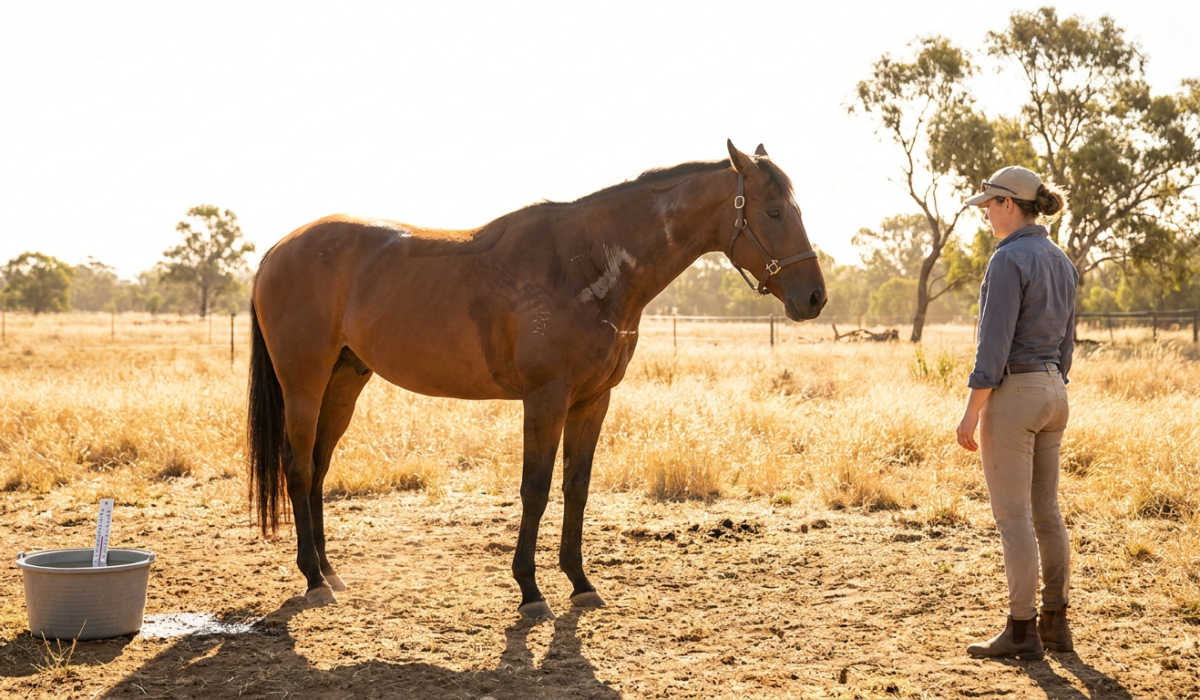
That moment when your usually calm horse suddenly becomes jittery during a summer ride often catches riders off guard. But what you’re witnessing isn’t random behavior – it’s your horse’s body sending clear signals that heat stress is building before you see the obvious signs like heavy panting or stumbling.
Understanding these early warning signals can mean the difference between a safe session and a dangerous situation. Heat-related stress in horses doesn’t happen overnight; it builds gradually through subtle changes that experienced riders learn to spot long before things get critical.
Physical indicators before behavioral changes occur
The first signs of heat stress show up in your horse’s physical appearance, often 10-15 minutes before any behavioral changes kick in. Watch for increased respiration rates above 16-20 breaths per minute at rest, even when your horse appears calm and collected.
Skin elasticity becomes your most reliable early indicator. Pinch the skin on your horse’s neck – it should snap back immediately. If it takes more than two seconds to return to normal, dehydration is already starting. This simple test works better than waiting for obvious sweating patterns to change.
Check the color of your horse’s gums every few minutes during hot weather sessions. Healthy pink gums that feel moist indicate good circulation. But when gums start looking pale or feel tacky to the touch, your horse’s system is already working overtime to manage heat stress.
Nostril positioning offers another subtle clue. Relaxed horses keep their nostrils soft and round, but heat-stressed horses often flare their nostrils slightly, creating an oval shape as they work harder to cool themselves through increased airflow.
Distinguishing between normal exertion and heat distress
Normal exertion produces predictable sweating patterns that follow your horse’s work level. You’ll see moisture first on the neck and chest, then spreading gradually to other areas as effort increases. This sweat feels slick and flows freely, helping your horse cool effectively.
Heat distress creates different sweating patterns altogether. Instead of flowing freely, sweat becomes thick and sticky, almost foamy in texture. It often appears in unexpected places like between the hind legs or under the barrel, rather than following normal work-related patterns.
Recovery time tells the real story. A normally conditioned horse should return to baseline breathing within 10 minutes of stopping moderate work. When preparation and conditioning meet heat stress, that recovery time stretches to 15-20 minutes or longer.
Temperature readings provide concrete data when visual cues seem unclear. Normal horse temperature ranges from 99-101°F. Anything above 102°F during exercise indicates your horse is struggling to regulate heat effectively, regardless of how calm they might appear outwardly.
How dehydration affects your horse’s mental state
Dehydration impacts your horse’s brain function before affecting their physical performance. Even mild fluid loss of 2-3% creates noticeable changes in attention span and response time to cues. Horses become less responsive to leg pressure and voice commands as their cognitive function declines.
Decision-making abilities deteriorate rapidly once dehydration sets in. Horses that normally navigate obstacles confidently might hesitate or make poor choices about footing and spacing. This mental fog often gets mistaken for disobedience when it’s actually a physiological limitation.
Memory processing slows down during heat stress, making it harder for horses to remember recently learned patterns or commands. Training sessions become frustrating for both horse and rider because the horse genuinely can’t access information they knew perfectly well in cooler conditions.
Emotional regulation suffers as dehydration progresses. Normally calm horses might become anxious or reactive to stimuli they’d typically ignore. This creates a dangerous cycle where stress increases heart rate, which generates more heat, which worsens dehydration and anxiety.
Environmental factors that compound stress responses
Humidity plays a bigger role than temperature alone in triggering heat stress. When humidity climbs above 60%, your horse’s natural cooling system through sweating becomes significantly less effective, even in seemingly moderate temperatures around 75-80°F.
Ground surface temperature often exceeds air temperature by 20-30 degrees on sunny days. Asphalt and concrete create heat islands that radiate upward, affecting your horse’s core temperature from below while they’re also dealing with ambient heat from above.
Wind patterns around buildings and terrain create microclimates that can trap hot air. Areas that feel comfortable to humans might actually concentrate heat at horse level, particularly in valleys or between structures where air circulation gets restricted.
Timing matters more than most riders realize. Heat stress compounds throughout the day, so horses that handled morning sessions fine might struggle with identical work in the afternoon, even if temperatures seem similar. Their bodies are already working harder just to maintain normal function as the day progresses.
How Temperature Affects Equine Flight Response and Decision-Making
The science behind heat and heightened fear reactions
When temperatures climb above 85°F, horses experience significant physiological changes that directly impact their fear responses. The equine nervous system becomes hyperactive as the body works overtime to regulate temperature, creating a state of constant alertness that makes horses more reactive to stimuli.
Research shows that elevated core body temperature increases cortisol production by up to 40%, flooding the horse’s system with stress hormones. This biochemical shift primes the flight response, making even the most reliable horses unpredictable. The sympathetic nervous system remains in a heightened state, meaning your horse’s threshold for perceived threats drops dramatically.
Blood flow redistribution during heat stress affects brain function too. As circulation prioritizes cooling mechanisms, the prefrontal cortex (responsible for decision-making) receives less oxygen. This creates a perfect storm where horses can’t process information normally and default to survival instincts rather than learned responses.
Changes in perception and startle responses during hot conditions
Hot weather fundamentally alters how horses perceive their environment. Visual acuity decreases as dehydration affects the eye’s ability to focus, while heat waves create distorted images that can trigger startle responses. What appears as a simple shadow at 70°F becomes a potential predator at 95°F.
The startle response itself becomes more pronounced and sustained in hot conditions. Instead of the typical quick spook and recovery, horses experiencing heat stress often remain in an elevated state for minutes after the initial trigger. This extended reaction period means multiple small incidents can compound throughout a session.
Sound perception changes dramatically too. Dehydration affects the inner ear’s fluid balance, making horses more sensitive to sudden noises while simultaneously reducing their ability to locate sound sources accurately. The result? Your horse might react violently to a familiar sound coming from an unexpected direction.
Ridgecrest’s desert environment amplifies these challenges, with temperatures often exceeding 100°F during summer months. Many experienced horse riding programs adjust their approaches specifically for these conditions.
Why familiar objects become frightening in extreme heat
Heat stress disrupts memory consolidation and retrieval processes in horses. Objects that were completely non-threatening yesterday can suddenly appear dangerous when the horse’s cognitive function is compromised by elevated temperatures. The brain’s pattern recognition system becomes unreliable.
Visual processing changes significantly impact object recognition. Heat creates atmospheric distortions that alter how familiar items appear. A mounting block that your horse has used hundreds of times might cast an unfamiliar shadow or seem to shimmer in ways that trigger predator-detection instincts.
The horse’s spatial awareness also deteriorates under heat stress. They lose confidence in their ability to judge distances and sizes accurately, making previously safe objects appear threatening. This explains why horses might suddenly refuse jumps they’ve cleared effortlessly in cooler weather.
Memory retrieval becomes fragmented during heat stress. While applying effective training techniques during cooler sessions builds solid foundations, those learned responses can temporarily disappear when temperatures soar.
Timing and intensity of fear responses in elevated temperatures
Fear response timing changes dramatically as temperatures rise. The typical sequence of alert-assess-react becomes compressed, with horses skipping the assessment phase entirely. What normally takes 2-3 seconds of evaluation happens in milliseconds, leaving no opportunity for rational processing.
Response intensity increases exponentially with temperature. A horse that might sidestep at 75°F could bolt at 95°F when encountering the same stimulus. The energy expenditure during these reactions also increases, as overheated muscles contract more violently and recovery takes longer.
The duration of fear responses extends significantly in hot weather. Horses remain in fight-or-flight mode longer, with heart rates staying elevated for 10-15 minutes instead of the typical 3-5 minutes. This extended recovery period means subsequent triggers have cumulative effects.
Recovery patterns shift too. Instead of gradually returning to baseline, horses often experience secondary spikes as their overloaded systems struggle to process the experience. Temperature regulation competes with emotional processing for the horse’s limited resources, creating unpredictable response patterns that can catch even experienced riders off guard.
Understanding these physiological realities helps explain why horses that are perfectly reliable in moderate conditions can become challenging during Ridgecrest’s intense summer heat. The key lies in recognizing that these aren’t behavioral problems but normal responses to physiological stress.
Pre-Ride Preparation Strategies for Hot Weather Sessions
Conditioning protocols for heat tolerance building
Building heat tolerance in horses requires a systematic approach that gradually acclimates them to higher temperatures over several weeks. Start conditioning sessions during cooler morning hours, around 6-7 AM when temperatures in Ridgecrest typically hover around 70-75°F. Begin with 15-minute sessions and increase by five minutes weekly until reaching normal lesson duration.
The process works best when you establish consistent exposure patterns rather than sporadic heat training. Horses actually develop better heat tolerance when sessions include varied intensity levels. Light groundwork creates the foundation, followed by walking under saddle, then progressing to more demanding gaits. This progressive approach helps horses naturally adapt their cooling mechanisms without triggering fear responses.
Monitor your horse’s recovery time between sessions. A properly conditioned horse returns to normal breathing patterns within 10-15 minutes post-exercise. If recovery takes longer, extend the conditioning timeline by another week before advancing intensity levels.
Essential equipment modifications for temperature management
Equipment modifications play a crucial role in preventing heat-related stress that often triggers fear responses. Replace dark-colored saddle pads with light-colored, moisture-wicking materials that reflect heat rather than absorbing it. Synthetic materials actually perform better than traditional wool in temperatures above 85°F.
Ventilated helmet covers and cooling towels become essential safety equipment during summer months. Consider investing in evaporative cooling blankets that can reduce a horse’s core temperature by 5-10 degrees when applied correctly. These blankets work particularly well during pre-ride preparation and post-session cooling periods.
Modify your grooming tools as well. Metal curry combs and brushes can become uncomfortably hot when left in direct sunlight. Store grooming equipment in shaded areas and consider using rubber alternatives that don’t retain heat. This simple change prevents horses from developing negative associations with grooming activities during hot weather.
Hydration timing and electrolyte considerations
Proper hydration timing begins 24 hours before your planned session, not 30 minutes prior. Horses need consistent water intake to maintain optimal hydration levels. Offer water every two hours during hot days, even if horses don’t immediately drink. Creating this routine helps prevent the dehydration that often contributes to heightened fear responses.
Electrolyte supplementation becomes critical when temperatures exceed 90°F. Add electrolytes to feed rather than water to ensure consistent intake. Horses might refuse water with unfamiliar tastes, but they’ll typically consume feed-based supplements without issue. Time electrolyte administration for 2-3 hours before riding sessions for optimal absorption.
Monitor salt block consumption as an indicator of electrolyte needs. Increased licking suggests your horse requires additional supplementation. Quality training programs always adjust electrolyte protocols based on individual horse responses rather than using one-size-fits-all approaches.
Creating optimal training schedules around peak temperatures
Successful hot weather riding requires strategic scheduling that works with natural temperature patterns. In Ridgecrest, temperatures typically peak between 2-4 PM during summer months. Schedule demanding sessions before 9 AM or after 6 PM to avoid these peak periods. This timing reduces heat stress and maintains horses’ focus on training objectives rather than comfort concerns.
Break longer sessions into shorter segments with extended cooling breaks. A 60-minute lesson becomes more effective when divided into three 20-minute segments with 15-minute cooling intervals. During breaks, move horses to shaded areas and provide access to water. This approach maintains training momentum while preventing heat accumulation.
Consider alternating indoor and outdoor activities throughout the week. Indoor arena work provides climate-controlled environments for technical skill development, while outdoor sessions focus on conditioning and confidence building. This variation keeps horses engaged without overwhelming their heat tolerance capacity.
Arena and trail selection for reduced heat exposure
Arena selection significantly impacts heat management during riding sessions. Choose footing materials that reflect heat rather than absorbing it. Sand-based arenas typically run 10-15 degrees cooler than asphalt or dark dirt surfaces. Watering arenas before sessions creates evaporative cooling that reduces surface temperatures and dust levels.
Trail selection requires careful consideration of shade availability and terrain difficulty. Routes with tree coverage provide natural cooling zones where horses can recover between challenging sections. Avoid trails with steep inclines during peak temperature hours, as elevation changes increase exertion levels and heat production.
Position training activities near natural shade sources when possible. Large trees, covered arenas, or even portable shade structures create cooling zones that horses quickly learn to appreciate. This environmental planning helps prevent the anxiety that develops when horses feel trapped in uncomfortable conditions without relief options.
Managing Fear Responses During Active Riding
De-escalation techniques when panic sets in
When your horse starts showing signs of panic during hot weather riding, your immediate response creates the foundation for everything that follows. The first rule? Don’t match their energy. While your natural instinct might be to tense up or raise your voice, this actually amplifies their fear response rather than calming it.
Start with your breathing. Deep, slow breaths not only help you stay centered but actually communicate calm energy through your seat and hands. Horses pick up on this shift within seconds. Lower your voice to a soft, steady tone and use simple, familiar commands they already know well. This isn’t the time to try new cues or complex maneuvers.
Your body position becomes critical here. Relax your shoulders and soften your grip on the reins without creating slack. Think of it as maintaining connection without restriction.
Many riders accidentally create more tension by gripping tighter, which tells the horse something really is wrong. Instead, use gentle pressure and release cycles to redirect their attention back to you rather than whatever’s triggering their fear response.
Adapting your riding style to support an overheated horse
Hot weather changes everything about how your horse moves and responds. You’ll need to adjust your expectations and riding approach accordingly. First, reduce the intensity of your aids significantly. An overheated horse becomes hypersensitive to pressure, so what normally requires a firm leg aid might only need a light touch.
Shorten your riding periods and build in frequent walk breaks. Even if you’re working on specific skills, break everything down into smaller segments with cooling opportunities between. This approach actually helps maintain their focus better than pushing through longer sessions where heat stress builds up.
Pay attention to your horse’s natural cooling behaviors and work with them, not against them. If they want to stretch their neck down during walk breaks, let them. This position helps with circulation and heat dissipation. The therapeutic approach we use recognizes that supporting the horse’s natural responses often prevents bigger problems later.
Adjust your position to minimize additional heat. Sit lighter in the saddle when possible, and avoid prolonged periods of collection that restrict their breathing. Think of yourself as helping them manage the heat load rather than adding to it.
Communication strategies that work in high-stress situations
Clear, consistent communication becomes even more important when heat stress affects your horse’s ability to process information. Simplify your cue system down to the most essential signals. Use voice commands they know well, and give them extra time to respond before repeating or escalating the aid.
Your timing with pressure and release needs to be more precise during hot weather sessions. Horses under heat stress often need longer processing time, so count to three before assuming they haven’t understood. When they do respond correctly, immediately reward with voice praise and a complete release of pressure.
Watch for subtle communication from your horse about their comfort level. Ear position, breathing patterns, and how they’re carrying their head all give you information about whether they’re coping well or starting to struggle. A horse that’s normally responsive but suddenly feels dull might be telling you the heat is becoming overwhelming.
Maintain consistency in your aids even as you soften them. Mixed signals during stressful situations can escalate anxiety quickly. If you normally use leg-to-hand contact for transitions, keep that same pattern but reduce the intensity rather than changing the sequence entirely.
When to continue versus when to dismount immediately
Knowing when to call it quits requires reading multiple indicators simultaneously. If your horse’s breathing hasn’t returned to normal after a two-minute walk break, that’s a clear signal to end the session. Similarly, if they’re showing signs of disorientation or stumbling, dismount immediately.
Temperature alone isn’t always the deciding factor. A horse that’s been gradually acclimated might handle higher temperatures better than one suddenly exposed to heat. But if the combination of temperature, humidity, and their individual stress response creates a perfect storm, trust your instincts over your planned session goals.
Some warning signs demand immediate action: excessive sweating that doesn’t decrease during walk breaks, labored breathing that continues beyond normal recovery time, or any signs of unsteadiness. These aren’t negotiable. Your horse’s safety always takes priority over training objectives.
Create clear decision points before you mount. Decide ahead of time what temperature threshold, breathing rate, or behavioral changes will trigger an immediate end to the session. Having these boundaries established prevents you from pushing too hard in the moment when adrenaline might cloud your judgment about what’s actually safe.
Post-Ride Recovery and Preventing Long-Term Fear Associations
Cooling protocols that rebuild confidence
The first fifteen minutes after dismounting sets the tone for how your horse processes the entire hot weather riding experience. Rather than rushing through cooling procedures, use this time to create positive associations that counter any stress responses that might have developed during the session.
Start with immediate shade placement and gentle grooming while monitoring your horse’s breathing patterns. The rhythmic motion of brushing actually helps regulate their nervous system, creating a calming transition from work mode to recovery. Many riders make the mistake of hosing down overheated horses too quickly, which can cause muscle cramping and reinforce negative associations with post-ride care.
Instead, begin cooling with lukewarm water applied to the neck and chest areas, gradually working toward cooler temperatures as their core temperature drops. This progressive approach gives horses time to process the session without additional stress. The key is maintaining calm energy throughout the process, as horses are incredibly sensitive to handler tension during vulnerable recovery periods.
Hand-walking in shaded areas for five to ten minutes between cooling phases allows horses to naturally regulate their temperature while staying mentally engaged. This prevents them from standing idle and potentially developing negative associations between heat exposure and discomfort.
Monitoring for delayed stress responses hours after riding
Heat stress responses don’t always manifest immediately. Some horses develop anxiety or behavioral changes several hours after hot weather sessions, making post-ride monitoring crucial for preventing long-term fear associations.
Watch for subtle signs like increased restlessness in their stall, changes in eating patterns, or reluctance to approach familiar handlers. These delayed responses often indicate that the horse’s nervous system is still processing stress from the heat exposure. In Ridgecrest’s dry climate, dehydration symptoms can also appear gradually, compounding stress responses.
Check vital signs again two to four hours post-ride, including heart rate, respiratory rate, and digital pulse. Elevated readings during this timeframe suggest the horse hasn’t fully recovered from the session. Their attitude toward evening feeding routines can also reveal lingering stress, as anxious horses often show decreased appetite or heightened alertness.
Document any behavioral changes in a log that tracks patterns across multiple hot weather sessions. This creates valuable data for adjusting future training protocols and identifying individual horses who need modified approaches to heat management.
Creating positive associations with hot weather work
Strategic use of rewards during and after hot weather sessions helps horses develop positive emotional connections to challenging conditions. The timing and type of reinforcement matters significantly in building these associations.
Offer high-value treats during cooling phases, but only when the horse displays calm, relaxed behavior. This creates a clear connection between appropriate responses to heat and positive outcomes. Many successful trainers use apple slices or carrots specifically reserved for post-hot weather sessions, creating anticipation rather than dread.
Incorporate enjoyable activities immediately following challenging hot weather work. Light ground exercises in shaded areas or gentle liberty work can shift the horse’s focus from the stress of heat to engaging activities they naturally enjoy. This approach helps them remember the entire experience as positive rather than just surviving difficult conditions.
The location where you conduct recovery also influences association building. Using the same comfortable, shaded area consistently helps horses anticipate relief and comfort after hot weather work, creating a mental anchor for positive outcomes.
Documentation strategies for tracking heat tolerance progress
Systematic record-keeping reveals patterns that might otherwise go unnoticed, allowing for precise adjustments to hot weather training protocols. Effective documentation goes beyond basic temperature readings to capture the full picture of each horse’s response.
Create simple charts tracking ambient temperature, humidity, session duration, and specific behavioral observations for each horse. Include recovery time measurements, noting how quickly heart rate and breathing return to normal ranges. This data becomes invaluable for identifying individual tolerance levels and optimal training windows.
Record environmental factors like wind conditions and shade availability, as these significantly impact how horses experience heat stress. What works on a 95-degree day with breeze might be completely inappropriate on a still 85-degree afternoon in Ridgecrest’s desert environment.
Note any equipment adjustments made during sessions, such as switching to lighter saddle pads or modifying tack configurations. These details help refine protocols for similar conditions in the future. Include handler observations about the horse’s willingness to work and overall attitude, as these subjective measures often predict long-term success better than purely physiological data.
Review documented patterns monthly to identify trends and adjust seasonal training schedules accordingly. This proactive approach prevents problems before they develop into established fear responses.
Building Heat Resilience Through Systematic Training
Progressive exposure methods for temperature adaptation
Building heat resilience requires systematic exposure that gradually increases your horse’s comfort threshold without triggering fear responses. Start conditioning sessions during the cooler morning hours when temperatures hover around 70-75°F, then progressively extend riding time as the day warms up. This creates positive associations with gradually rising heat rather than forcing adaptation through sudden exposure.
The key lies in monitoring your horse’s baseline heart rate and respiratory patterns during normal temperature ranges, then tracking these same metrics as conditions warm. When you notice a 15-20% increase from baseline, that becomes your stopping point for that session. Over 3-4 weeks, horses typically adapt to tolerate progressively warmer conditions while maintaining their emotional equilibrium.
Ridgecrest’s desert climate provides an ideal natural laboratory for this progression. Begin sessions at 6 AM when temperatures are manageable, then gradually shift start times later as your horse develops heat tolerance. This method works because it respects the natural adaptation process rather than overwhelming the horse’s nervous system.
Desensitization exercises specific to hot weather challenges
Hot weather creates unique sensory challenges that can trigger fear responses in unprepared horses. The sensation of increased sweat production, the sound of heavy breathing, and the feeling of equipment becoming warm against their body all become potential stressors. Address these systematically through targeted desensitization.
Practice controlled sweating exercises in moderate temperatures first. Use a warm, damp cloth to simulate the feeling of perspiration around the saddle area and girth line while maintaining calm energy and positive reinforcement. This helps horses associate the physical sensations of sweating with safety rather than distress.
Create positive associations with the sounds of labored breathing by incorporating breathing exercises into your ground work routine. When your horse’s breathing naturally increases after light exercise, stand quietly beside them and match their breathing pattern, creating a calming shared rhythm. This technique builds confidence around the auditory changes that accompany hot weather exertion.
Incorporating mental conditioning alongside physical preparation
Physical conditioning without mental preparation often leads to anxiety when horses encounter challenging conditions. Mental conditioning involves creating neural pathways that associate challenging physical sensations with emotional stability and rider confidence.
Visualization exercises work remarkably well with horses because they pick up on your mental state. Before mounting, spend 3-5 minutes visualizing a successful, calm ride in warm conditions while maintaining relaxed body language. Your horse will absorb this confident energy and approach the session with reduced anxiety.
Incorporate breathing exercises that both you and your horse can practice together. Deep, rhythmic breathing not only helps regulate your horse’s nervous system but also creates a communication channel that becomes invaluable during stressful moments. When heat stress begins building, your established breathing pattern becomes an instant calming signal.
The mental conditioning process also involves building positive associations through consistent reward timing. When your horse maintains composure during warm conditions, immediately provide relief through shade, water access, or simply dismounting and allowing rest. This reinforces the idea that cooperation leads to comfort, not continued stress.
Long-term strategies for consistent performance in all climates
Developing climate resilience requires thinking beyond individual training sessions toward building a horse’s overall adaptability. This means creating training programs that gradually expose horses to various environmental stressors while maintaining their emotional well-being and performance standards.
Establish seasonal conditioning protocols that prepare horses for Ridgecrest’s temperature extremes months in advance. Begin winter conditioning with indoor work that gradually increases in intensity, then transition to outdoor sessions as spring temperatures rise. This creates a natural progression that builds both physical stamina and mental confidence.
Document your horse’s response patterns to different temperature ranges, humidity levels, and riding intensities. This data becomes invaluable for planning future sessions and identifying early warning signs before they escalate into fear responses. Many riders discover that their horse’s optimal performance window is narrower than expected, allowing for more precise session planning.
The most successful long-term approach integrates heat resilience training into regular riding routines rather than treating it as a separate challenge. When horses learn that various environmental conditions are simply part of their normal experience, they develop the confidence to maintain focus and partnership regardless of external stressors. This foundation becomes particularly valuable for riders who want reliable performance throughout Ridgecrest’s diverse seasonal conditions. Whether you’re working with a young horse or retraining an experienced partner, systematic heat resilience building creates the kind of deep trust and communication that transforms both horse and rider into confident partners ready for any challenge.
Related Posts
- Candee Coffee: Five Decades of Horsemanship in Ridgecrest
- More Than Riding Lessons: C and C Training Stables as a Community Oasis
- Riding Into Inclusivity: Youth Programs and Therapeutic Horsemanship at C and C Training Stables
- Behind the Barn Doors: A Day in the Life at C and C Training Stables
- The Lasting Legacy of C and C Training Stables in Ridgecrest
- Getting Your Horse Ready for Spring Riding Season in Ridgecrest
- Spring Training Tips That Actually Work for New Riders
- Why March is Perfect for Starting Horse Riding Lessons